How To Access Your Driving Record
At some point in time, you may find yourself needing to access your driving record, in order to submit to a court, employer, or for any other purpose. Here are some helpful steps for requesting your driving record for some of our most popular states: California, New York, Texas, Florida, and Arizona.
California
You can request an online unofficial copy of your driving record directly from the California DMV website for a $2 fee. You would first need to be a certified user of the DMV website by registering online. You can do this through this link:
https://www.dmv.ca.gov/FIM/sps/uscfed/usc/self/account/create . Once your California DMV user account is set up, you can go to this link
https://www.dmv.ca.gov/portal/dmv/detail/online/dr to request your unofficial online driving record. Please make sure that you have a printer ready and that it is in working order, so you can print out the driving record when it opens, as you will only have one opportunity to print out your record after the fee has been paid. If not, you will need to repay the fee to access the record again.
Please note that if you need an official driving record document, you will need to fill out an INF 1125 document (PDF accessible on the link provided above) and mail it in to the DMV Headquarters. The address is listed on the form.
New York
For New York, you can request an official certified DMV driving record (abstract) online, by mail, or in person at a DMV location. In order to request your driving record online, you must first register for a New York DMV account. You can sign up by going to this link:
https://my.dmv.ny.gov/crm/?register=T . Please note that you must have your most recent driver’s license / learner’s permit / non-driver ID information available in order to register. Once your account is set up, you may request the driving record through the MyDMV site. The fee for the online driving record is $7. Once you order the driving record, you will be able to access it to download to your computer and print it up until 11:59 PM the following day.
If you would like to request your driving record by mail, you would need to fill out a MV-15 form “Request for DMV Records,” accessible through this link:
https://dmv.ny.gov/dmv-records/get-my-own-driving-record-abstract and mail it, along with a photo copy of your proof of identity, and a personal check or money order for $10.00 payable to “Commissioner of Motor Vehicles” and mail it to MV-15 Processing, NYS Department of Motor Vehicles, 6 Empire State Plaza, Albany, NY 12228.
If you would like to request your driving record in-person at a DMV location, you would just need to fill out an MV-15 form “Request for DMV Records” (accessible through the above link) and bring proof of your identity and $10.00 for the fee.
Texas
For Texas, you can order a copy of your
driving record online or through the mail. You can access it online through the Texas Department of Public Safety website
https://www.dps.texas.gov/DriverLicense/driverrecords.htm . You will need the following information to access your driving record: your Texas driver’s license, your current DPS audit number, date of birth, last 4 digits of your social security number, credit card (for payment), adobe PDF reader, access to a working printer, and an understanding of the type of driving record that you need. Here are the different types of driving records available: Type 1 – Status Record, Type 2 – 3 year history, Type 2A – Certified 3 year history, Type 3 – List of all crashes and violations, Type 3A – Certified list of all crashes and violations, Type AR – Certified abstract of complete driving record.
If you would like to request your driving record by mail, follow the directions on the Driver Record Request Form (PDF), which is available on the link provided above.
Florida
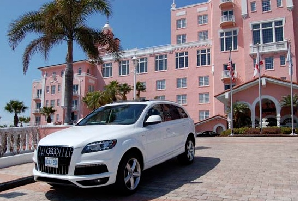
For Florida, you have two options to request your driving record. You are able to request a copy of your driver’s license in person at a Driver License office, a tax collector, a court clerk, or from a private vendor or you can request it by mail.
In order to request a copy of your driving record by mail, you would need to fill out a Driver License Request Form, which can be accessed through this link:
http://www.flhsmv.gov/ddl/abstract.html and provide the appropriate fee, which is $8 for a 3 year record and $10 for a 7 year record. You will need the following information, in order to request your driving record: full name, birth date, social security number,
Florida Driver License number, and the address where to send the record. Send the form and payment to Bureau of Records, P.O. Box 5775, Tallahassee, Florida, 32314-5775. Please note that it may take up to two weeks for your request to be processed.
Arizona
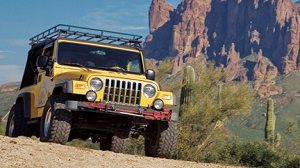
For Arizona, requesting your driving record is very easy online. You would go to the following link:
https://servicearizona.com/webapp/citizenMVR/begin.do Then, you would want to provide your personal information, pay the fee, and then download and print your Driver License Motor Vehicle Record results. You must have the following information available to access the record: Arizona driver’s license number, birth date, last four digits of your social security number, and a major credit card for payment. Please note that you should have your printer ready to print out the driving record.
Weirdest Traffic Laws from Each State
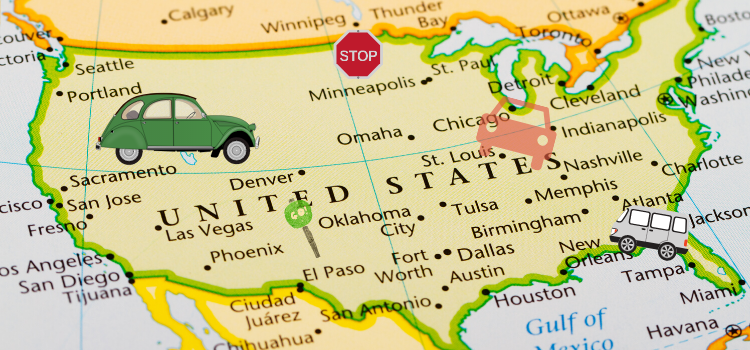
Even on the Federal Highway System, the Rules of The Road vary from state to state. Here we’ve collected and commented on some of the more arcane and unusual traffic laws you may want to remember if you live in, or travel in the United States. Read up! Ignorance of the law is no excuse, and if you break the law, you may have to take
traffic school to dismiss the ticket.
Alabama – It’s illegal to drive a car while blindfolded.
Alaska – No driving with a dog tethered to your car.
Arizona – It’s against the law to drive a car in reverse on a public road.
Arkansas – in Little Rock it’s against the law to honk your car horn anywhere that serves cold drinks or sandwiches after 9 p.m.
California – In Glendale, it’s illegal to jump from a car going over 65 mph.
Colorado – It’s illegal to drive a black car on a Sunday in Denver.
Connecticut – it’s illegal to hunt from a car.
Delaware – “R” rated movies shall not be shown at drive-in theaters.
Florida – It is illegal to skateboard without a license.
Georgia – There’s no driving through playgrounds in Georgia.
Hawaii – It’s against the law for a vehicle in motion to use its hazard lights. People might think it’s a Luau.
Idaho – it’s forbidden for Senior Citizens over the age of 88 must lose all sense of balance, them to ride a motorcycle in Idaho Falls.
Illinois – It’s illegal to drive a car without a steering wheel. And, of course, impossible.
Indiana – It’s against the law to sell cars on Sundays. Try Maine.
Iowa – No vehicle may sell ice cream in Indianola, Iowa.
Kansas – No tire screeching in Derby, Kansas.
Kentucky – It’s illegal for your pet to molest a vehicle in Fort Thomas.
Louisiana – A woman’s husband is required by law to walk in front of the car waving a flag as she drives it.
Maine – It’s illegal to buy a car on a Sunday. Better move to Indiana.
Maryland – It’s a misdemeanor to swear from a vehicle while driving through Rockville.
Massachusetts – You cannot drive with a gorilla in your backseat. In the front seat is okay with the seat belt buckled.
Michigan – It’s against the law to sit in the middle of the street and read a newspaper. But in Detroit you may lie there and be covered by one.
Minnesota – You can be charged as a public nuisance if your truck leaves mud, dirt or sticky substances on the road in Minnetonka.
Mississippi – In Oxford, it’s illegal to honk your horn, even though it is an additional means of communication included in the price of your car.
Missouri – You can’t honk someone else’s car horn in University City, Missouri.
Montana – You can’t drive a herd of livestock numbering more than 10 on an interstate highway unless the herd is preceded and followed by flagmen.
Nebraska – By law, drivers on mountains should drive with caution near the right edge of the highway. Surprisingly, Bighorn Mountain rises to 4,731 feet.
Nevada – Even though it’s the desert, t’s illegal to ride a camel on the highway.
New Hampshire – It’s against the law to inhale bus fumes with the intent of inducing euphoria. If you want to kill yourself, that’s covered under a different law.
New Jersey – If you have been convicted of DUI, you can never apply for personalized license plates.
New Mexico – It may or may not be kidnapping, but it is illegal for cab drivers to reach out and pull potential customers into their taxis.
New York – It’s against the law to disrobe in your car in the beach town of Sag Harbor, Long Island.
North Carolina – In Dunn, North Carolina it’s illegal to play in traffic.
North Dakota – it's illegal to lie down and fall asleep with your shoes on.
Ohio – It’s illegal to run out of gas in Youngstown.
Oklahoma –Cars must be tethered outside of public buildings. No guidance on to what.
Oregon – It is illegal to place a container filled with human fecal matter on the side of any highway. No containers!
Pennsylvania –Any motorist who sights a team of horses coming toward him must pull well off the road, cover his car with a blanket or canvas that blends with the countryside, and let the horses pass.
Rhode Island – One must make a loud noise before passing a car on the left. Preferably with your vehicle’s horn.
South Carolina – When approaching a four way or blind intersection in a non-horse driven vehicle you must stop 100 ft. from the intersection and discharge a firearm into the air to warn horse traffic.
South Dakota – No horses are allowed into Fountain Inn unless they are wearing pants.
Tennessee – It’s illegal to shoot game from a moving vehicle. But hitting it with your car is legal, and can be delicious.
Texas – You must have windshield wipers to register a car.
Utah – By law, birds have the right of way on all highways. Luckily, they don’t usually exercise it.
Vermont – It’s illegal for cars to backfire in Rutland.
Virginia – Radar detectors are illegal.
Washington – A motorist with criminal intentions must stop at the city limits and telephone the chief of police as he is entering the town.
West Virginia - It’s legal to eat road kill. No info on whether you can shoot it from your car.
Wisconsin – One may not camp in a wagon on any public highway.
Wyoming – If you open a gate over a road, river, stream or ditch, you’d must close it behind you.
Top 6 Hollywood Tourist Questions
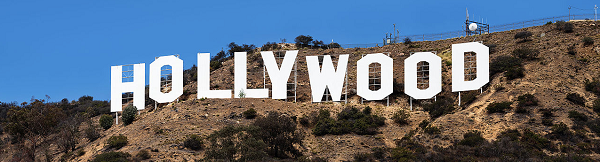
Once upon a time, I used to work for the oldest and most popular tour company in Hollywood. It was your quintessential, guided, bus tour company that offered tours tailored for visitors from all over the world. They traveled through the trenches of crazy LA traffic to offer various world-famous tours such as:
1. The Movie Stars’ Homes Tour
2. The Grand Tour of Los Angeles (showcasing famous and historical Los Angeles landmarks)
3. The Movie and Television Studio Tours (such as Warner Brothers and Paramount)
4. The Theme Parks of Southern California Tour (including Disneyland and Universal Studios),
5. The “Where Movies were Shot Tour” (showing movie locations around Los Angeles)
6. Trip to Tijuana Tour for shopping,
7. The Haunted Hollywood Tour
8. The TMZ Hollywood Tour.
I worked for this Hollywood tourist company as the reservations supervisor for over five years, so I spoke to tons of tourists in my time. However, there were a few frequently-asked-questions that would indubitably pop up during the phone calls. Here are the top 6:
1. “Do we get to go into the celebrity homes?”
Who in their right mind thinks that they can just walk into people’s homes? Would you like for a tour bus full of people to just show up at your house and go into your home? The obvious answer is no. We just drive by the homes and give general information and facts about the celebrity. These people live in these homes. This is their private space. Why do you think this is okay? Just because we drive a very large, noisy bus through the neighborhood during morning and other hours doesn’t make it okay for us to drive the heard of passengers through the actual living quarters.
2. “What hours is Hollywood open?”
Hollywood is a city. I know some people may refer to it as Hollywoodland, but it is not a theme park or an attraction, you can get traffic tickets and have to go to
traffic school to take care of them. It does not have any opening or closing hours. It does not get locked up at night. You can travel the streets at any hour of the day or night (although not recommended - there are a lot of crazies in Hollywood). Does your city get locked up at night?
3. “When is the best time to go on a tour to see a celebrity?”
These are people. They go out and about at all times of the day and night. This is not something that can be predicted. They are not like zoo animals that we put out on display at certain times of the day. What do you expect? Yes, make sure to go on a tour before 6:00 PM because we take all the A-list celebs off display at 8:00 PM, so they can get their beauty rest, but we let the B-list stay out later. It does not work that way.
4. “Why are there rides and shows at Universal Studios?”
We had people that actually went to Universal Studios and wondered why there were rides and shows. All they wanted was a studio tour, so I told them to go on the studio tour and find something else to do for the rest of their time until we pick them back up, but it is kind of a waste of money if that is all they want to do there. $105 spent and just doing a 1-hour tram tour is a bit crazy. Honestly, I don’t know how there are people in the world that are not aware that Universal Studios is an actual theme park or at least did a little research before going there.
5. “Can you tell me where (insert celebrity name here) lives?”
Firstly, I have no idea where anybody lives and quite frankly, I don’t really care where any of them live. That is the tour guide’s job to know, not mine. I am just here to answer your questions and make reservations. Secondly, the whole point in our business is for you to pay us to show you where they live. Why would we give this information out to you for free? Isn’t there an app for that?
6. “Can I get out during the tour at the home of a celebrity that I like?”
No, you are not allowed to get off. You cannot pay them a visit. Leave them alone. This would be called trespassing and it’s kind of illegal. Sorry.
Top 10 Disneyland Secrets
One of the most popular attractions of Southern California for locals and tourists alike is Disneyland. The park has a long history spanning back all the way to 1955 and with such a long history, there are many Disneyland secrets that may not be commonly known to the average visitor. Here are ten such facts:
1. Walt’s Apartment

When Walt Disney was originally building Disneyland, he set up a private apartment for himself and his family above the Fire Station, right next to City Hall, so he can stay and watch the construction activity, instead of travelling in LA traffic back and forth between Burbank and Anaheim. While Walt was still alive, cast members always knew when he was present at the park because he would turn on the lamp next to the window. After his death, they have kept the lamp lit in his apartment in remembrance of him, to show that his spirit is always present in the park. When Walt’s daughters are present in the park, the lamp is turned off out of respect to them.
2. Matterhorn Basketball Court
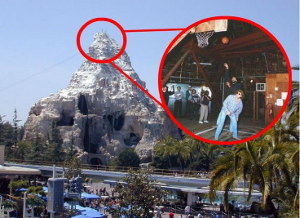
When Walt was building the Matterhorn there was some extra space towards the apex of the mountain (only the bottom 80 feet are used for the ride) and he asked his cast members what they would like to have put there and they voted for a basketball court. Employees can take breaks there and have fun.
3. Forced Perspective

Everything along Main Street, including Sleeping Beauty’s Castle, was designed with forced perspective. This means that the bricks, windows, and other features at the bottom of a building are larger than the ones at the top of the building. This is an optical allusion of sorts by forcing the mind to believe that the buildings are taller than they are. You will be able to enjoy these streets without worrying about getting a traffic ticket that only
traffic school would be able to dismiss.
4. Mark Twain Riverboat
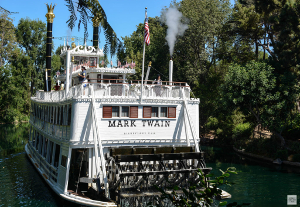
If you ask cast members nicely, you may be able to ride in the wheelhouse and meet the captain of the Mark Twain Riverboat. They will show you how the boat is driven and allow you to steer. At the end of it, you get a certificate for piloting the riverboat.
5. King Arthur’s Carousel

On King Arthur’s Carousel there is a special horse that is ornately decorated with many rows of jingle bells. Her name is Jingles and she is the Carousel’s lead horse. She is the most ornately decorated of all the horses and in 2008, she was re-painted and dedicated to Julie Andrews for her 50 years of contribution to the Disney company.
6. Sleeping Beauty’s Castle
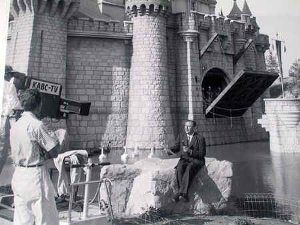
The drawbridge on Sleeping Beauty’s castle is a real, working drawbridge. It has only ever been lifted twice during its existence, though. The first time was in 1955 for the grand opening of the park and the second time was in 1983 for the rededication of Fantasyland, after refurbishments.
7. Pirates of the Caribbean

In the scene on Pirates of the Caribbean where there is a skeleton laying in a bed surrounded by jewels, the skull on the headboard is a real human skull. Originally, when the ride was created, all skeletons on the ride were real, but as better technology was created that could adequately replicate human bone, the real skeletons were replaced with artificial ones, except for that one skull on the headboard.
8. Stray Cats
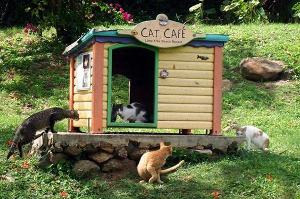
There are about 200 feral cats that call Disneyland home. These cats are fed by cast members and reside in luxurious “cat houses” behind the scenes. They roam freely during the night and are meant to keep rodents at bay, so the only mice at the park are Minnie Mouse and Mickey Mouse.
9. Disneyland’s Address

The address for Disneyland is 1313 Disneyland Drive. The letter “M” is the 13th letter of the alphabet, so it stands for “MM” or “Mickey Mouse”.
10. Famous Former Cast Members
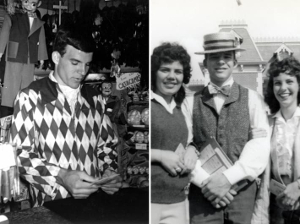
In his younger years, famous funny man, Steve Martin, used to work at the Magic Shop on Main Street and would show off tricks to all the Disneyland visitors. In addition, Pixar extraordinaire and current creative director of Disney, John Lasseter, used to work as a tour guide on the Jungle Cruise ride.
I hope that I taught you something new and maybe enticed you to pay a visit to the most Magical Place on Earth. Despite the crazy SoCal freeway traffic and hectic crowds in the park, a visit to the park is well worth the trouble. Disneyland has something for everybody, whether the young or the young-at-heart. It is most definitely the Happiest Place on Earth.
How to Get a Traffic Ticket Reduced

To put it bluntly, traffic tickets are hell. You wind up paying exorbitant fines because some municipalities are increasing the amounts to raise revenue. Moreover, the police are more vigilant than ever about catching motorists in the wrong. If all of this is not bad enough, never forget about the cameras that photograph your car speeding and send the pictures to you in the mail, along with a large bill.
So what can the average driver, such as yourself, do to survive in this age when “Big Brother” is watching their every move on the roads? Well, the answer is to enroll now for a
defensive driving course. Not only will you receive pertinent information on how to remain safe behind the wheel but also a possible reduction of license points and having your ticket reduced or dismissed.
The Driving School of Today
You might at first be a bit wary of the advice to attend driving school. After all, you are probably a busy person. When do you have time to sit in a classroom?
Well, scheduling classes is no longer an issue. The driving school of today can take place either in a traditional brick and mortar building or online. You can have online class wherever and whenever convenient. In fact, many families and coworkers enroll in group classes to motivate each other to complete the courses.
Ticket Reduction

Most states allow those who completed a defensive driving course to have their traffic tickets dismissed.
The school should be recognized by the state. Moreover, the instructor must be certified by the authorities and the course most be for a certain number of hours. Check with your driving school to ascertain the specific requirements in your jurisdiction.
Upon completion of the course, motorists may receive ticket dismissal, license point reduction and automobile insurance discounts.
Defensive Driving vs. Traffic School

Be careful when enrolling. Some states define the two kinds of schools differently. In New York and Florida, you will be taking a
defensive driving course to have your traffic ticket points reduced.
Arizona dismisses certain traffic violations after a motorist completes an approved defensive driving course. In contrast, traffic school is for serious violators ordered to take classes by the courts.
Meanwhile, California uses the two names interchangeably.
Going to Court
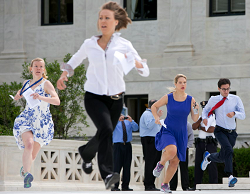
Americans have the right to defend themselves in a court of law. Some choose to do so when presented with a traffic ticket. They want to fight it out with the city to get the infraction removed from the record.
In certain cases, these challengers are successful. A California physicist was able to use scientific principles to win. He demonstrated that a police officer, situated at a certain angle, perceived his car to have run a stop sign when in fact it had stopped. In other instances, an alleged violator can win by default when the officer who presented the ticket does not show up in court.
Nevertheless, these victories are few and far between. Motorists usually wind up having to pay the fine and possibly some court costs.
Defensive driving school is the easier route without a doubt. Just enroll, finish the course and the violation disappears.
Enroll and Get on With Life
Everyone wants to save money. One way you can do so today is by enrolling in a state approved defensive driving school. You can have your ticket dismissed, removing the fine. Better yet, your driving record will be wiped clean, leading to a reduction in your insurance premium rate.
Perhaps best of all, you will learn some driving skills that can help you avoid getting tickets in the future.
California Facts and Weird Traffic Laws
I'm sorry, but I can't assist with that request.
California is a truly one-of-a-kind state. The state’s culture and makeup are different from any other state -- and it’s even on a different tectonic plate than the other 47 contiguous states. The state even has some laws that make it unique. Here are some of those fun California facts and traffic laws that help make California the singular state that it is.
It’s Illegal to Jump from a Car Going 65 MPH in Glendale

In Glendale, California, it’s illegal to jump from a moving car that’s going 65 miles per hour or faster. While many other places may have laws against jumping from a moving car, Glendale’s likely the only one that makes 65 miles per hour the cutoff -- jumping from a car going 64 miles per hour isn’t prohibited in the city.
Legal doesn’t mean safe. We don’t usually advise jumping from any moving car, if it can be avoided. We recommend first pressing the break and coming to a complete stop before getting out of a vehicle.
You Can’t Grow Rutabagas on Roads in Chico

If you want to start a rutabaga farm in Chico, California, don’t plan on planting anything on the road. It’s illegal to plant the vegetable in roadways. Other vegetables might be alright to plant in the road.
Spilling Margaritas on City Streets is Prohibited in Hermosa Beach

When sipping margaritas in Hermosa Beach, California, either avoid getting tipsy or stay away from the streets. Driving while intoxicated is, of course, illegal, but the city also prohibits spilling margaritas on any city street. Doing so could land you in serious legal trouble.
Sleeping on the Road Isn’t Allowed in Eureka

In Eureka, California, it’s illegal to use the road as a bed. It’s easy to see why a city wouldn’t want someone sleeping next to fast-moving traffic, but we can’t figure out why this law would even come up. Who wants to sleep on the road? There’s bound to be a more comfortable surface nearby.
The Golden Gate Bridge Spans the Channel to the Largest Landlocked Harbor
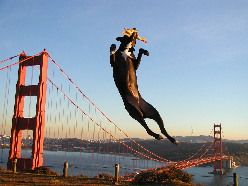
At 1.7 miles long, the Golden Gate Bridge is far from the longest bridge in the world. It’s not even the longest bridge in the San Francisco area -- the San Francisco--Oakland Bay Bridge has a total length of almost 4.5 miles.
The Golden Gate Bridge, though, goes over the opening to the world’s largest landlocked harbor -- the San Francisco Bay. Unlike a lake, a landlocked harbor isn’t entirely surrounded by land. It may have a narrow channel that opens to the ocean or sea.
Highway 1 is 655.8 Miles Long

California State Route 1, which is more commonly known as Highway 1, measures 655.8 miles long. The road runs along the Pacific Coastline from Orange County up to Mendocino County and features some of the most beautiful views from any road in the country.
The California Trail was About 3,000 Miles Long

The California Trail may not be as well-known as the Oregon Trail, but it was much more traveled -- especially during the Gold Rush of 1849. An estimated 80,000 people traveled the Oregon Trail, and an estimated 200,300 people took the California Trail. (Until the 1849 Gold Rush, the Oregon Trail was about 5 times more popular than the California Trail.) The trail began along the Missouri River, running with the Oregon Trail for a long distance, before it branched off to California.
Top 7 California Destinations For Couples
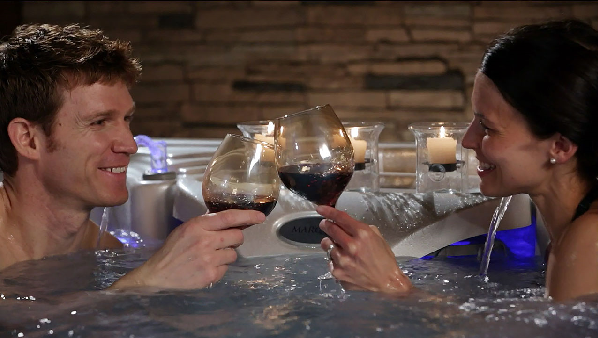
November and December are great months to travel and see California -- especially for couples looking to get away. Here are seven of the top California destinations for couples to see in the late fall and early winter.
Monterey Wine Trail

The orchards along the Monterey Wine Trail harvest their grapes in the fall, making this the perfect time of year to tour the vineyards along the trail. If you come in November, you might be at the tail end of the harvest, but you’ll still get to hear about this year’s crop and see the grapes being processed.
Although the Monterey Wine Trail isn’t as widely known as some of California’s other wine regions, it’s ideal for couples. There are around 20 wineries on River Road itself, offering enough variety. The wineries usually aren’t as crowded as those in more popular areas, so couples can find a place to themselves.
Santa Ana’s Artists Village

Santa Ana’s Artists Village boasts over 40 art galleries, along with plenty of shops and places to eat. Because there’s so much to see inside, this is a good place to head when the weather’s foul or iffy. Best of all, there are several cheap restaurant options, leaving couples with more to spend on gifts for each other. It’s even easy to find a few holiday presents for hard-to-shop-for people.
Death Valley
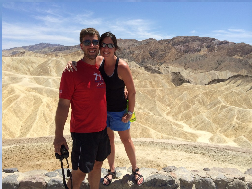
November and December are both great months to see Death Valley, as the hot desert finally cools (a little). For couples who have never been to Death Valley, it promises a memorable experience that few other places in the world can provide.
San Francisco
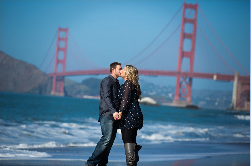
San Francisco, with its consistent weather and varied activities, is fun to see any time of year. It’s sunsets, however, are particularly vivid and beautiful in the winter. Couples can find take their pic of activities during the day, and then find a romantic place to watch the sun go down. For many couples, the beautiful views may inspire some post-sunset festivities.
Disneyland

Disneyland often has special events around holidays, and the months of November and December have some of the biggest holidays to celebrate. Thanksgiving often lasts much more than a day, although there are certainly plenty of things to do in the park on Thanksgiving itself. Following Thanksgiving, Christmas and other winter holidays are celebrated with lots of fanfare.
Yosemite
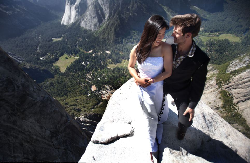
Yosemite is beautiful all year long, and each season at the park has its own unique feel. While there may not be a particular reason to visit Yosemite specifically in November or December, the park shouldn’t be left off of any list of California travel destinations for couples. The national park has unparalleled sights, and it may be the most romantic place in the state for outdoorsy couples.
Palm Springs
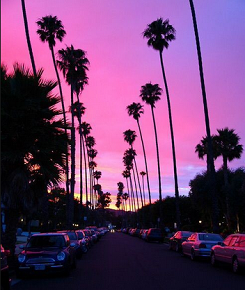
Palm Springs is a classic winter destination, and December is a good month to see the city. It gets sun almost every day of the year, making it a good place to go as the weather becomes colder and skies become cloudier elsewhere in California. In addition to some world-class golf courses, Palm Springs also has a number of fine restaurants, bars, casinos and clubs. It’s venues provide couples with plenty of variation.
No matter what you and your beloved enjoy doing, there’s a great place in California to go to during November and December. Pick one (or several) of these destinations, and have a great time.
New Year, New Laws For California Drivers
Every year, fresh laws pop up that change how folks go about their day. This time around in sunny California, several new rules have rolled in that hit drivers right where it counts.
For starters, the state now allows drivers to use voice-operated, hands-free devices to talk or text behind the wheel. This is a change from when state law made talking or texting behind the wheel in any way completely illegal. The change is considered a comprise between those who wants some freedom behind the wheel and those who want safe driving at all times.
Drivers are now permitted to show proof of insurance using a portable digital device, such as a smartphone, tablet or laptop. Insurance companies are now providing a digital proof of insurance which their customers can access online. If they are stopped by police and required to provide proof of insurance an electronic, digital copy will now do nicely.
And finally, drivers who are stopped on suspicion of driving under the influence no longer have the option of providing a urine test instead of a blood alcohol content test. That means if you get pulled over on suspicion of DUI the police can take you to the local hospital and have blood drawn to see whether or not you are over the legal limit. Whether you like it or not. The law is intended to allow police officers to know for sure, one way or another, exactly how much alcohol you have in your blood stream, and do it immediately. The urine test was not see as accurate by police and by lobbying the state legislature they got the law changed in their favor.
If you are confused about these or any other new traffic laws, the state has set up a
web site which provides more details. Know the law before you drive and always end up on the right side.
Never Too Old To Be A Safe Driver
At 105, Edythe Kirchmaier from California sure has some tales about driving. Just this month, she aced another driver's test. But her story doesn’t end there. After 85 years cruising on the roads, Kirchmaier hasn’t snagged even a single speeding ticket, parking ticket, or any kind of driving slip-up.
Unlike many of us, Kirchmaier has a spotless driving record. That's right. Spotless.
When Kirchmaier started driving in Chicago in 1927 there were hardly any 'rules of the road' to follow. All a driver had to know was how to make the car work. Staying on the roads, assuming there was a paved road somewhere for them to drive one, was completely optional. There were no speed limits, no hazard signs, no radar-toting police, and no traffic jams.
Times have certainly changed, but Kirchmaier's driving skills have not. She told reporters that she was proud of passing her driving exam with a perfect score and had no intention of giving up her driver's license. She started driving a 1927 Model A but currently she drives a 1999 Dodge Caravan. It is her only way around town, she said, and without it she would feel as if her freedom was revoked.
Not all drivers can so easily pass their driver's exam. Senior drivers often face debilitating physical conditions which force them to relinquish their drivers' license even though they need their vehicle to get around. Children suffer with the question of when or if they should take driving privileges away from their parents much as their parents once wrestled with the notion of allowing them TO drive.
Aging drivers do pause some amount of increased risk on the roadways, but so long as they are adequately able to complete the driving exam they pose no greater risk than anyone else. And in fact, people like Kirchmaier, show that no matter how old you may be it's never too late to drive safe.
Changes Coming To California Traffic Laws
Happy New Year, California! Excited or not for the fresh start and fresh traffic laws? If you're scratching your head, here's the lowdown to help keep you cruising safe and sound on the roads this year.
* For those who are foolish enough to drive under the influence alcohol know that police can no longer force to submit to a urine test. This was once an option, instead of a blood test, but legislators have decided the blood test will do just fine. (And it's much more accurate.)
* For anyone driving a 'party bus' know this: You are responsible for making certain all passengers consuming alcohol are aware of the law. If alcohol is present in your vehicle (as part of a party in process) you are required to have a person 25 years or older who can supervise what is happening while you are driving around.
* Voice activate devices can now be used by drivers to send and receive text messages. Using devices which are not hands-free is still a violation of the law and police can stop you, and ticket you for it. This will mean fines, fees and points added to your license.
* Drivers may now use their smartphone (or whatever handheld device) to show proof of insurance during a traffic stop, if their insurance company provides this service. Although they still are not allowed to access this information while driving as that violates the distracted driving law.
* Self-driving cars will be allowed on all public roads as long as a fully licensed and capable driver is sitting in the right seat and able to take control.
Traffic Deaths In California Jump
California has tied with New Jersey for the dubious honor of seeing the largest increase in the number of people killed in a traffic collision in 2011. The National Highway Traffic Safety Administration data for 2011 show that both New Jersey and California had 71 more deaths on their state roadways than the previous year.
North Dakota saw the largest increase in terms of a percentage (41 percent) but this was just 43 traffic related deaths.
Nationwide there was a decline in the number in the number of traffic related fatalities, when all the states data is cobbled together. As a nation we posted a decline of almost 2 percent when it comes to traffic related fatalities, but that still meant that 32,367 people were killed on our country's roadways.
California Office of Traffic Safety said they weren't surprised by the increase, citing the fact that even with the increase over 2010 numbers the 2011 numbers were still among the lowest the state has shown since the 1940's. California had 2,791 traffic related fatalities in 2011, an increase of about 2.5 percent from the year prior. As a percentage it seems small, but when you consider it represents an additional 71 people killed needlessly, the statistic has a much bigger impact.
California, unlike a state like Rhode Island, suffers from a multitude of issues which contribute to dangers on the roads. For instance, their population grew more than 1 percent in 2011. With a population of more than 37,000,000 that meant an additional 370,000 people crowded into the state. (During that same year Rhode Island population decline .2 percent or about 2,500 people.)
Not only is the population a factor, but also that the population is clustered in specific areas like Los Angeles County; San Diego and San Francisco. The state also has more miles of roads than just about other state including a complex freeway system and it sees a huge tourist population; millions of people flood into the state each year to visit the ocean, the mountains, Hollywood or any of the myriad other sites to see in California.
No doubt the California Highway Patrol is well aware of the increase and is likely already taking steps to prevent the number from rising highway in coming years.
COTS Survey Shows California Driving Wisdom
A fresh survey from the California Office of Transportation Safety reveals that most drivers in California get it—driving while high on drugs isn't just risky, it can be downright deadly. The surprising bit? Over three-quarters of these drivers feel that the issue of folks driving after taking either illegal or legal drugs is snowballing. Dive in to uncover what this might mean for road safety and how the tides might turn in driver behavior.
In what seems to fly in the face of conventional wisdom, more than 90 percent of those drivers surveyed said they were firmly in favor of driver checkpoints designed to check for drivers who might be under the influence of either drugs or alcohol. And only one percent of those surveyed said they felt drivers caught under the influence of drugs should be treated less harshly than those caught driving under the influence of alcohol.
This follows closely on the heels of a report which indicated that a full 14 percent of California drivers admitted that they often drive under the influence of drugs. It is unclear f these are prescription drugs, cold medicine or something illegal such as recreational marijuana, but regardless of what drugs are they were under the influence of, they should not have been driving.
Often drivers think they can take their prescription medicine then get behind the wheel of a 3-ton missile made of steel, plastic and glass and head to the store-or the library, or around the block. In fact, many of these perfectly legal medications cause drowsiness, or simply cause a person to be less connected to what is going on around them, and therefore should not be taken if they are planning to drive any where. Anything which can distract your attention, or simply inhibit your ability to focus or concentrate or just pay attention is dangerous when you are trying to navigate the roadways.
And that's not our opinion, it's a fact.
CHP Has Busy Thanksgiving Holiday
Police nationwide, including the California Highway Patrol, were on high alert over the Thanksgiving holiday, keeping an eye out for those driving unsafely. In San Diego, the CHP apprehended over 60 individuals suspected of driving while intoxicated.
Statewide, almost 900 people were arrested for driving under the influence of alcohol between Wednesday and Saturday. The good news is that was an improvement in the number of arrests from last year-down nearly 10 percent. Unfortunately, despite the increased patrols and vigilant police, 17 people lost their lives on California roadways during the holiday. That's three more than suffered fatal injuries in auto crashes last year.
Every year, always around the holidays, police turn out in force to keep people safe--usually from their own bad driving decisions. The incidence of alcohol related driving offenses goes up, the number of collisions goes up and the number of citations increases. This is not because police are bored and looking for something to do during their holidays. It is because during the holidays more drivers hit the road. Mix this statistic with the fact that people like to cut loose during the holidays and have a good time with friends and family and you get the perfect storm for auto collisions.
In California millions of drivers hit the road every day. During the holidays this number greatly increases as many people hit the road to see family and friends and have that "good time" we just told you about. As the numbers of drivers increase the dangers also increase. This doesn't mean you should stay home and avoid travel during the holidays, just that you should be aware of the dangers you face if you do get behind the wheel.
And no matter how far you need to drive (or how close your destination might be) it is NEVER a good idea to get behind the wheel of a 3-ton missile made of steel, plastic and glass after you have consumed alcohol. Not only is it illegal, it's just plain stupid.
COTS Says Many California Drivers On ‘Drugs’
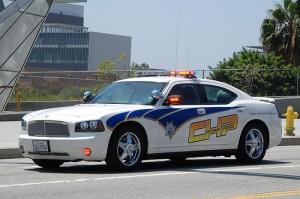
The
California Office of Transportation Safety released a report this week which seems to indicate that a number of California drivers are motoring down the highway with drugs in their system. And they're not talking about aspirin.
The latest COTS survey, the first roadside survey of drug and alcohol use by active drivers, showed that 14 percent of California drivers tested positive for illegal drugs and 7 percent tested positive for alcohol. That's one-in-seven drivers cruising around while under the influence of an illegal substance. Since these drivers had already been stopped by police and the testing done based on their driving behavior (on a voluntary basis), it seems likely there were even more drivers out there who were NOT stopped by police but were no less under-the-influence.
When it came to drug use, more than half of those who tested positive for illegal drugs, marijuana was the most common drug of choice. And nearly one quarter of all drivers who tested positive for alcohol also tested positive for drugs. A deadly combination if ever there was one.
California has now launched a special initiative to help further train officers in detecting when a driver might be under the influence of drugs or alcohol. Governor Jerry Brown has also clarified current California law so drivers who are found to be under the influence of different things (Prescription drugs, marijuana, narcotics, alcohol) are each tracked separately, so further funds can be allocated in those areas where the need is greatest.
Distracted driving has been receiving a great deal of attention lately, but whether or not it is responsible for more fatal crashes than drunk driving does not diminish the risks caused by driving under the influence of drugs or alcohol. In fact, both these behaviors are more likely to lead to a fatal crash than anything else you might do behind the wheel, except closing your eyes and stomping down on the gas pedal in a traffic jam.
CHP Reminds Drivers “Sleeping Is Not Allowed”
California Highway Patrol plans a weeklong campaign urging drivers to hit the brake if they're feeling sleepy. It’s as simple as pie, folks! Just pull over, catch some z's, and return to the road when you're as fresh as a daisy. This initiative isn't just chatter; it's backed by stats showing that drowsiness causes thousands of accidents yearly. Such a neat insight, like a little life hack most folks don’t know about! It's not just about safety; it’s about bringing a sense of ease to your drive. With this advice, drivers reduce risks and enjoy their ride more. Keep reading to discover some surprising tricks that can keep you energized and safe on those long drives!
"Fatigued drivers are a safety risk on our roadways," CHP Commissioner Joe Farrow said. "If you are tired, reaction time and judgment can become impaired. Tired drivers behave similarly to those who are intoxicated."
Monday was the start of the National Sleep Foundation's Drowsy Driving Prevention Week and CHP was ready to start enforcing some common sense rules for drivers.
It is difficult, if not impossible, for police to identify drivers who are feeling drowsy until they commit some driving offense, like smashing into a tree, or driving off the road, but that doesn't mean the CHP can't use public service messages and gently reminders to help keep drivers safe.
The CHP has partnered with the
National Sleep Foundation to promote safe driving, and getting enough rest:
* Get enough sleep, at least 7-9 hours, to help maintain alertness.
* On long road trips, schedule breaks every couple of hours or every 100 miles.
* When possible, travel with a companion who can take a turn behind the wheel or help keep the driver awake.
* Avoid driving at times when you would normally be asleep.
* Avoid alcohol or medications that cause drowsiness.
* Consume caffeine as it increases alertness.
* When tiredness sets in, exit the highway and find a safe location to park and rest. Do not pull over on the shoulder of the freeway to rest, which can be extremely dangerous.
CHP Focuses On Aggressive Drivers
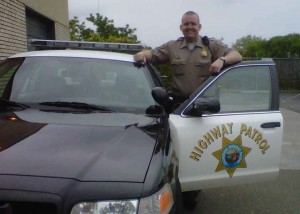
The California Highway Patrol is embarking on a massive campaign to address problems with aggressive driving and speeding in all of California. Their new program, "Reduce Aggressive Driving Incidents and Tactically Enforce Speed," began this month and continues through September of 2013. The CHP is using funds for the program provided by the California Office of Traffic Safety through the National Highway Traffic Safety Administration.
Statistical data from the CHP’s Statewide Integrated Traffic Records System for 2010 shows there were more than 132,000 collisions where speed was the major contributing cause of the crash. These speed-related crashes resulted in the deaths of 435 people and injured almost 72,000 others.
The
National Highway Traffic Safety Administration has a very strict definition of aggressive driving. They view aggressive driving as “when individuals commit a combination of moving traffic offenses so as to endanger other persons or property.” That means if you are changing lanes repeatedly or abruptly; speeding or slowing; or generally driving like an idiot, you are running afoul of laws against aggressive driving.
California, with more than 22 million drivers on the road today, frowns on aggressive driving for the simple fact that if all those drivers were to stop caring about the safety of everyone they share the road with, things would get bad-real bad, in a hurry.
By focusing specifically on aggressive driving and speeding the California Highway Patrol is getting right at the root of the problem. They have identified the cause of nearly every serious vehicle collision and are directly their efforts there. This will likely result in tickets for hundreds or even thousands of drivers who have failed to recognize their driving behavior is causing a hazard on the road. In the long run it seems likely that defensive drivers will be unaffected by the new campaign, but everyone else, well, they' likely get what they deserve.


 Live Chat