How to Drive in Every State

Almost every kid yearns for the day when they can be old enough to learn how to drive. Getting that driver’s license is a rite of passage that carries so much meaning. For most young drivers, learning how to drive symbolizes freedom and responsibility. It’s a giant leap away from childhood and a small step toward adulthood. Once you learn how to drive, you can go places without your parents, run errands for your parents, get a job that’s beyond walking or bicycling distance, and go on real dates. It’s an amazing time in life that happens only once.
Drivers Ed
How you learn to drive depends on where you live and what your situation is. If you go to a school where they offer
Drivers Ed, you might learn how to drive with a bunch of your friends sitting in the back seat, which is simultaneously a blast and intimidating. If driving school is affordable, you might learn about defensive driving from a stranger. Your last – and sometimes preferable option – is to learn how to drive from your parents or a family friend. However, you officially learn about defensive driving, there’s probably a bunch of stuff you didn’t learn. But don’t worry. We’re here to fill in the gaps. Here’s the guide on how to drive that you’ll never hear from anyone else.
Watch Other Drivers’ Faces
When you watch driving videos, they always tell you to “look out for other cars.” But
defensive driving requires more than that. You can get a whole lot of information about what a car is going to do by watching the driver’s face. Say you’re coming up on an intersection. The driver of the car at the stop sign is laughing and talking to his buddy. Every now and then his car creeps forward. He can’t wait to zip out. Does he see you coming? Keep an eye on that driver to make sure he looks at you. If he doesn’t, there’s a good chance he might pull out right in front of you. To be on the safe side, slow down or move to the next inside lane.
Don’t Double Pedal
Your right foot is for driving, and your left foot is for the clutch if you have a manual transmission. Don’t double pedal with your left foot hovering over the brake and your right foot hovering over the accelerator. This is a bad habit that can lead to a) overuse of brakes, b) an accident. Just don’t do it.
Don’t Eat in the Car
Yes, your mom’s car is full of Burger King wrappers. You grew up at the drive-thru. That’s what drive-thrus are for, right? We’ve heard it all before. But eating in the car is a bad, bad idea. First, you could choke, and trying to maneuver your car out of traffic and danger is a lot harder when you’re also trying to not choke to death. Second, if you’re eating, you’re not holding the wheel with both hands. Third, eating in the car is messy business. You’ll end up trashing your car, getting stains on your clothes and not paying attention to the task at hand, which is, ahem, driving. Eating in the car puts your life at risk. Burger King won’t tell you that, but we will.
Drive Safe!
So now that you know the real secrets to knowing how to drive, we feel confident you’re ready for adulthood. Learning how to drive is something that almost everyone hopes to accomplish one day. But do you want to know the best part of learning how to drive? It’s learning how to drive safely.
What Information is on my Driving Record and Who Can See it?

Your driving record can have a major impact on your life. It affects your auto insurance rates, can affect your ability to get a job driving, and can even impact whether a police officer gives you a ticket or not. Unfortunately, most people do not know a lot about their driving record. Here are some of the questions you may have about that important piece of paper and the answers to these questions.
Who Can See My Driving Record?

Your driving record is public record. As such, anyone who requests to see your driving record has access to it. However, most often, your insurance company, a potential employer, a current employer you do driving work for, and law enforcement request copies of and look at your driving record.
What Type of Information is on a Driving Record?

Your driving record contains information about your past driving offenses. This includes traffic infractions, accidents and criminal driving offenses, such as driving under the influence charges. Your record will also detail how many points are on your driving record. Every state uses a point system based on the severity of an infraction you received. For example, if you ran a stop sign, you may get one point on your record, whereas an accident you were at fault for is two points. If you reach a certain point level, your license may be suspended. Additionally, depending on the state you reside in, your driving record may also include the age in which you became licensed to drive, if your license has ever been suspended and for what reason, and any cars that are registered to you.
How long do DMV points stay on your driving record?
 Your driving record lists how many points you have. This may lead you to wonder how long points stay on your record. Unfortunately, there is not a one-size-fits all answer to this question. The answer varies based on the state you reside in. In most states, accidents and tickets stay on your record for three to five years, but can stay on as long as seven years in some places. Criminal traffic infractions can stay on your record for anywhere from seven to ten years. Also, some states allow you to remove points by attending traffic school. The number of points you can remove is typically one or two points every two to three years. However, not every state allows this. Always check laws in your state to find out how their point system works and how long points stay on your record. Usually some form of traffic school or defensive driving course will take off or hide multiple points from one's record.
Do driving records from different state look the same?
 Driving records from all states look very similar but they do not look identical. As was mentioned above, the rules for points and how long infractions stay on your record varies from state to state. As such, the records themselves vary. It is also important to note that the records a law enforcement agency can view are different than the ones that are public record that insurance companies and employers view. A law enforcement agent can see your entire driving record. Many take a good look at this information when deciding whether to let you off with a warning or a ticket.
Your driving record can have an impact on your life. As such, it is always wise to take the time to learn about this topic. This can help you to better understand what a driving record is, who sees it, what is on it and how that information is used.
Driving records from all states look very similar but they do not look identical. As was mentioned above, the rules for points and how long infractions stay on your record varies from state to state. As such, the records themselves vary. It is also important to note that the records a law enforcement agency can view are different than the ones that are public record that insurance companies and employers view. A law enforcement agent can see your entire driving record. Many take a good look at this information when deciding whether to let you off with a warning or a ticket.
Your driving record can have an impact on your life. As such, it is always wise to take the time to learn about this topic. This can help you to better understand what a driving record is, who sees it, what is on it and how that information is used.
Common Questions About NYC Parking Tickets
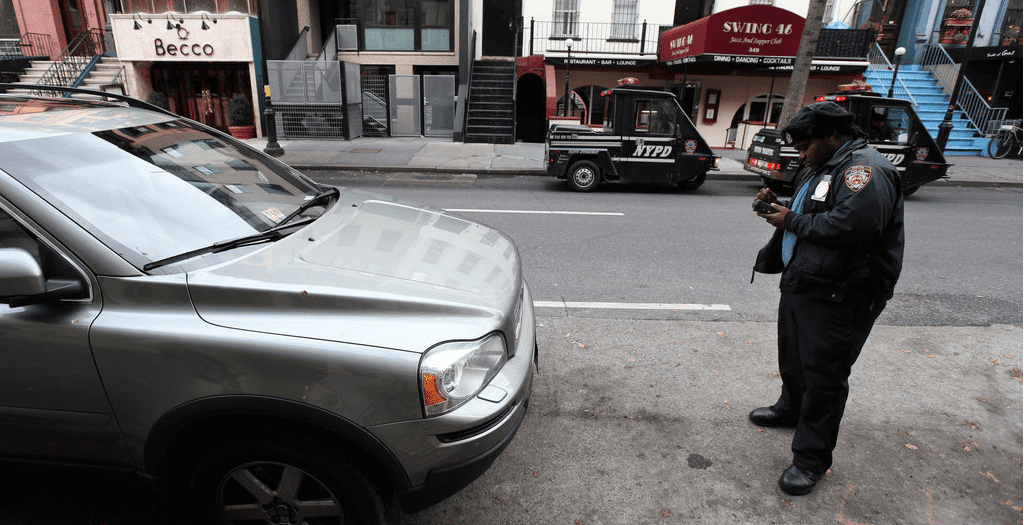
Understanding NYC Parking Tickets: Disputes, Payments, and Consequences
No one wants to walk out of their car and find that they have been issued a traffic ticket. However, this is a scenario that plays out hundreds of times each day in New York City. Both local drivers and tourists are issued tickets because they parked in a no-parking zone, let a parking meter expire, or parked in an area they should have never parked. If you have received a parking ticket, you may have many questions. Your questions may range from whether you can dispute the ticket to how to pay the ticket. Here are a few frequently asked questions that you may have about NYC parking tickets and the answers.
Can You Dispute a Parking Ticket?
I'm sorry, but it seems that the text you wanted me to rephrase was not included. Please provide the text, and I'll be happy to help.
If you feel that you were issued a parking ticket when you should not have been, you always have the right to dispute a parking ticket. In New York, you have 30 days to either pay the ticket or file a dispute. If you fail to dispute the ticket within this timeframe, it is automatically assumed you are pleading no contest and you are guilty of the violation.
What Information Do You Need to Dispute a Parking Ticket?
To dispute a parking ticket, you need proof as to why you are not at fault. Taking pictures of where you are parked, showing proof that the meter is not working correctly, or proving that you were shopping in another part of town and therefore were not parked at the meter for longer than the allowed time period can all help you win your case. The exact information you will need varies based on the type of ticket you are issued, so be sure to document anything that you feel is relevant to your dispute, including signs that may be obscured because of trees, faded paint on curbs or signs that are contradictory.
Are You Responsible for a Parking Ticket in a Rental Car?
Many tourists receive parking tickets in NYC because they are not familiar with the area and do not understand where they can and cannot park. If you have obtained a parking ticket in a rental car, you may wonder if you are responsible for the ticket or if it is something the rental car company will take care of. You are responsible for the ticket. If you fail to dispute or pay the ticket, the rental car company may pay the ticket on your behalf and then bill it to your credit card on file or seek payment from you through a debt collector or civil court.
How Do You Pay an NYC Parking Ticket?
In New York City, the Department of Finance is responsible for accepting payments for parking tickets. You can either pay the ticket in person at a Department of Finance building or pay the ticket online at https://secure24.ipayment.com/NYCPayments/nycbookmark_1.htm. You will need the ticket number in front of you in order to pay for the ticket. If you do not have this information, the Department of Finance can look up the ticket number over the phone, but they will need the license plate number.
What Happens If You Don't Pay a New York City Parking Ticket?
If you fail to pay the parking ticket, interest will continue accumulating each and every month. If you have multiple tickets that are outstanding, you may be asked to take a
NY defensive driving course, your registration can be suspended, your vehicle may be booted or your car may be towed and impounded until the parking tickets and interest are paid in full.
Receiving a parking ticket is something no one looks forward to. But it can happen. Getting answers to the questions you have will help you to know what to do in case you receive a parking ticket in New York City.
How to Get a Traffic Ticket Reduced

To put it bluntly, traffic tickets are hell. You wind up paying exorbitant fines because some municipalities are increasing the amounts to raise revenue. Moreover, the police are more vigilant than ever about catching motorists in the wrong. If all of this is not bad enough, never forget about the cameras that photograph your car speeding and send the pictures to you in the mail, along with a large bill.
So what can the average driver, such as yourself, do to survive in this age when “Big Brother” is watching their every move on the roads? Well, the answer is to enroll now for a
defensive driving course. Not only will you receive pertinent information on how to remain safe behind the wheel but also a possible reduction of license points and having your ticket reduced or dismissed.
The Driving School of Today

You might at first be a bit wary of the advice to attend driving school. After all, you are probably a busy person. When do you have time to sit in a classroom?
Well, scheduling classes is no longer an issue. The driving school of today can take place either in a traditional brick and mortar building or online. You can have online class wherever and whenever convenient. In fact, many families and coworkers enroll in group classes to motivate each other to complete the courses.
Ticket Reduction

Most states allow those who completed a defensive driving course to have their traffic tickets dismissed.
The school should be recognized by the state. Moreover, the instructor must be certified by the authorities and the course most be for a certain number of hours. Check with your driving school to ascertain the specific requirements in your jurisdiction.
Upon completion of the course, motorists may receive ticket dismissal, license point reduction and automobile insurance discounts.
Defensive Driving vs. Traffic School

Be careful when enrolling. Some states define the two kinds of schools differently. In New York and Florida, you will be taking a
defensive driving course to have your traffic ticket points reduced.
Arizona dismisses certain traffic violations after a motorist completes an approved defensive driving course. In contrast, traffic school is for serious violators ordered to take classes by the courts.
Meanwhile, California uses the two names interchangeably.
Going to Court

Americans have the right to defend themselves in a court of law. Some choose to do so when presented with a traffic ticket. They want to fight it out with the city to get the infraction removed from the record.
In certain cases, these challengers are successful. A California physicist was able to use scientific principles to win. He demonstrated that a police officer, situated at a certain angle, perceived his car to have run a stop sign when in fact it had stopped. In other instances, an alleged violator can win by default when the officer who presented the ticket does not show up in court.
Nevertheless, these victories are few and far between. Motorists usually wind up having to pay the fine and possibly some court costs.
Defensive driving school is the easier route without a doubt. Just enroll, finish the course and the violation disappears.
Enroll and Get on With Life
Everyone wants to save money. One way you can do so today is by enrolling in a state approved defensive driving school. You can have your ticket dismissed, removing the fine. Better yet, your driving record will be wiped clean, leading to a reduction in your insurance premium rate.
Perhaps best of all, you will learn some driving skills that can help you avoid getting tickets in the future.
How to Sell a Car in Texas

If you are planning on selling a vehicle in Texas, you will have to fill out some paperwork. Sweat the subtleties of the transaction now and you won’t have to deal with them down the road.
With nearly 30 million residents and over 26 million registered vehicles, Texas is one of the largest car markets in the United States. As such, ensuring that the sale of a vehicle is smooth and legally compliant is essential for both the seller and the buyer.
However, Filing a Vehicle Transfer Notification within 30 days of the sale is crucial to protect the seller from being held responsible for any parking tickets or toll violations incurred by the new owner.
Let’s look at the paperwork that must be submitted to the Texas Department of Motor Vehicles to officially transfer ownership of your vehicle. We’ll also touch on additional documents necessary to sell a vehicle in Texas.

Preparing to Sell Your Car in Texas
Before listing your car for sale, it is important to prepare the vehicle and ensure it is in good condition for potential buyers. The following steps will help you get started:
1. Clean and Inspect the Vehicle
First impressions matter, and potential buyers are more likely to consider a well-maintained and clean vehicle. Clean both the exterior and interior of the car thoroughly, paying attention to detailing, removing personal items, and ensuring the vehicle is presentable.
- Exterior: Wash and wax the car, ensuring there is no visible damage or major scratches.
- Interior: Vacuum and clean the upholstery, dashboard and any surfaces that may have accumulated dirt.
- Mechanical Inspection: Conduct a basic vehicle inspection or visit a mechanic to ensure that the car is in proper working order. Address any minor repairs that could increase the value of the vehicle.
2. Determine the Value of Your Car
To set a fair and competitive price for your vehicle, you will need to determine its market value. Several factors influence a car’s value, including its make, model, year, mileage, condition, and the current demand for similar vehicles in Texas.
You can use online tools such as Kelley Blue Book or Edmunds to get an estimated value of your car. Alternatively, visiting dealerships for a trade-in offer can also provide a benchmark for pricing.
Additional Documents Necessary to Sell a Car in Texas
As a seller of a vehicle, you must provide specific documents to the buyer. These documents include the bill of sale, a valid vehicle title, the completed title assignment with signature and odometer disclosure.
Additionally, the motor vehicle sales tax is a mandatory fee for individuals purchasing a vehicle from a private seller. The sales tax is calculated based on either the purchase price or the vehicle's standard presumptive value.
Be sure to make copies of these documents to store in your records. You never know if any technical or legal challenges will pop up in the future.
At this point, it is the buyer’s responsibility to complete the remainder of the required documents and pay the fee necessary to register the vehicle in his name in the state of Texas.
Gathering Paperwork and Documentation
Gathering all necessary paperwork and documentation is essential when selling a car in Texas. You’ll need to provide the buyer with a signed title, a Vehicle Inspection Report (VIR), and a Bill of Sale. Make sure to fill out the original title correctly, including the odometer reading and sales price. You’ll also need to provide proof of liability insurance and a registration sticker. If you’re selling to a dealer, you may not need to provide all of these documents, but it’s still important to have them ready.
Title Transfer
The state of Texas requires that your vehicle’s title be transferred to the new owner. To make this transfer, you must fill out the title assignment found on the back of your vehicle’s official title certificate.
If you fail to perform a legal title transfer when selling your car, there will be consequences. As an example, it is possible that you will be held responsible for subsequent crimes and violations committed in the vehicle.
In Texas selling or trading in a vehicle to a dealer, the vehicle stays in the seller's name until it is ultimately sold to an individual. Therefore, it is crucial to file a Vehicle Transfer Notification to protect yourself from liability for any actions taken with the vehicle by the new owner before the title is officially transferred.
It is prudent to go to the nearest county tax office with the vehicle buyer to guarantee that the application for the new vehicle title is filed. If you need a certified copy of your automobile’s title from the Texas Department of Motor Vehicles, fill out the VTR-34 form. You can download this form from the DMV’s online library of forms.
Supplemental Material That Will Help You Sell Your Vehicle in Texas
Texas has nuanced laws concerning vehicle efficiency and safety. Therefore, many buyers ask sellers for an in-depth vehicle history report before agreeing to a sale. Such a report provides information about the vehicle ranging from prior accidents to major repairs, odometer alteration and/or instances of theft.
If you have endured any sort of accident, consider enrolling in a TX driving safety course. This course will enhance your defensive driving skills. Such a course might reduce your automobile insurance rate. It is even possible that this course will remove points from your driving record after a speeding ticket or other violation.
Have your vehicle history report on-hand so you can show it to the buyer immediately after he requests it. Furthermore, having the vehicle history report on-hand makes it that much easier to market your vehicle and ask the highest possible price.
Steps to Complete the Sale
Once your car is prepared for sale and the legally required documents are gathered, you can proceed with the sale process.
1. Find a Buyer
There are several ways to find a buyer for your vehicle. You can choose to sell the car privately through online listings, trade it in at a dealership, or sell it to a car-buying service. When selling privately, consider advertising the car on platforms such as Craigslist, Autotrader, or Facebook Marketplace to reach a wider audience.
2. Negotiate and Finalize the Sale
After finding a potential buyer, it’s time to negotiate the sale price. Ensure that the agreed-upon price reflects the condition of the car and the market value. Once a deal is reached, both parties must sign the Title Transfer and other necessary documents.
The buyer will need to register the vehicle in their name with the Texas DMV, but as the seller, you must ensure that the Title Application (Form 130-U) and the Odometer Disclosure are completed accurately.
3. Transfer of Ownership
To legally transfer ownership of the vehicle, you will need to complete the following steps:
- Sign the Title: As the seller, you must sign the back of the title and provide the buyer with the original copy. Ensure that the odometer reading and buyer’s information are filled out.
- Submit a Vehicle Transfer Notification (Form VTR-346): This form is submitted to the Texas DMV and notifies the state that you are no longer the owner of the vehicle. This step is critical to protect you from future liabilities, such as toll charges or traffic violations, after the sale.
- Provide a Bill of Sale (Optional): While not mandatory, the bill of sale can be used for record-keeping and as a safeguard for both parties.
4. Transfer the License Plates and Registration Sticker
You must remove the license plates from your vehicle before the buyer accepts the keys and drives off. It is possible to transfer these license plates to another vehicle you own. Reach out to your nearest county tax assessor collector's office for details on such a transfer.
Additionally, don’t forget to cancel your insurance policy on the sold vehicle. Contact your insurance provider to terminate coverage once the sale is complete.
Taxes and Fees for Selling a Car in Texas
The buyer is responsible for paying the title transfer fee and state sales tax on the purchase of the vehicle. As the seller, you do not have to pay these taxes, but it's important to inform the buyer of these obligations. In Texas, the sales tax is 6.25% of the sales price or the vehicle's standard presumptive value (whichever is higher).
Don't Forget the Bill of Sale!
It is necessary to document the actual sale of your vehicle. The transaction is recorded on a “bill of sale”. This document should include all essential information about the seller, the buyer, the automobile and the agreed sale price.
Sign and date the bill of sale and request that the buyer does the same. Make copies for yourself and the buyer. Keep this document in your records as it is proof of the vehicle sale transaction.
Conclusion
Selling a car in Texas requires careful attention to documentation and state regulations. By following this guide, you can ensure a smooth and legal transaction, protecting both yourself and the buyer. With thorough preparation and attention to detail, selling your car in Texas can be a straightforward and stress-free process.
Back Home In California? Might Be Time For Traffic School

Now that the war in Iraq is at an end, thousands of soldiers will be coming to the spouses; boyfriends and girlfriends; families and life they left behind. With so many soldiers returning to the United States, you can expect that at least a few thousand of these soldiers will be coming home to California.
Given that they have been gone for awhile, in some cases years, now might be a good time to consider an online traffic school.
It is not easy getting accustomed to civilian life. Things are different in the military, especially when you have been serving your country over seas. Adjusting to life back in the states can be difficult. They have enough trouble finding civilian jobs, re-connecting with family and friends and sorting out their new living arrangements without worrying about traffic citations.
That's where an
online traffic school can help you. In California, like every state, you rack up points with every traffic citation you receive. If you only get one or two, that's one thing, but in California four points in 12-months; six points in two years or eight points in three years are enough to earn you a suspended license.
Having a suspended license can make life back in the states a lot more difficult. No car makes finding a job, or keeping a job nearly impossible, especially in California where public transportation is not all that convenient.
An online traffic school can help you keep those points from adding up. It can also help you brush up on skills you might have lost or that have at least become rusty while you were defending the country.
It is no secret that a defensive driving course can help you be a safer driver. Depending on where you live it might also help keep your insurance rates low and help you keep points from adding up on your license. With all this in mind, if you're just getting home from active duty and need an
online traffic school, gives us a call or visit our web site.
You served for us, now let us serve for you.
Image: Stuart Miles / FreeDigitalPhotos.net
Laughing Your Way To Cheaper Auto Insurance Rates
It seems crazy at first, like Earth Shoes, car phones, and kiwi slices as decoration.
In keeping with its commitment of promoting driver safety and providing the state’s motorists with enhanced customer conveniences Arizona Supreme Court approved
Improv Traffic School, an online humor-based
defensive driving program, for
Arizona drivers who are cited for moving violations.
Improv gained its fame in the driver training field in the early 80’s, when its founder Gary Alexander partnered with the famous Improv Comedy Club to create an interactive and fun
traffic school and
defensive driving program for Los Angeles motorists.
Based on a simple notion that when you enjoy the learning process you simply learn more, Alexander has grown Improv to one of the largest and most respected
defensive driving schools in the country. Since then more than a million students have taken Improv’s classes in both classroom and online settings for ticket dismissal, insurance discounts and court ordered
defensive driving. Improv’s teaching methodology has been backed by a number of studies showing that its edutainment curriculum is effective in reducing future crashes and moving violations.
I can’t guarantee none-stop laughs”, Gary Alexander admits, “I will shoot for less painful, simple and effective”.
Eligible Arizona Motorists who successfully complete Improv’s online defensive driving course are eligible to have their moving violations dismissed by issuing court.
The Improv’ s
online traffic school course is available to Arizona motorists at
www.myimprov.com
The online course consists of 10 simple modules featuring a combination of comedic, YouTube style video clips that are supported by easy to navigate text and graphics covering a variety of driving subjects ranging from basic traffic laws to more serious issues like DUI and seat belt use. The real beauty of this course is that it’s not only fun and effective; it can also be completed at your own pace in as little as 5-minute increments. Upon completion of all modules and passing of a simple quiz covering course material you get a certificate of completion that can be submitted to the court.
Be Thankful For Safe Driving

Be Safe Behind The Wheel All Year Long
Curious about who appreciates **safe drivers** the most? **The police** sure do!
Just ask any California police officer, especially those who patrol interstate highways, and they will tell you, their
worst memories are of crash scenes. People injured or killed through driver negligence; children hurt or left without a parent, or parents; innocent bystanders struck because they just happened to be in the wrong place at the wrong time.
Being a safe,
defensive driver is no accident. A
n online traffic school can help. Anyone who has attended
traffic school will admit they walked out smarter than when they walked in, no matter how much they believed they wouldn't.
Safe driving is a skill that is honed through practice and careful study. As we get older those skills sometimes lose their edge and we find ourselves unable to keep up with the ever-changing demands of
safe highway driving. Vehicles become faster, more complicated and perhaps more difficult to operate, and as we travel farther by car than we have ever gone before we are likely to drive into areas which are unfamiliar, leaving us at a loss to understand local traffic laws, throughways or just plain lost and confused.
There are also more distractions behind the wheel than we have ever had before. People today have to be cautioned about not just talking on a cell phone behind the wheel, but also texting. We have DVD players in our cars, onboard computers, dashboard mounted computer screens and a plethora devices meant to make the driving experience more pleasant but that also can distract us from our priority--driving!
If you think your
defensive driving skills are losing their edge, or just want to brush up on a skill you probably take for granted, do yourself a favor (and the local police) and consider a
traffic school online. You'll thank yourself later.
Image: m_bartosch / FreeDigitalPhotos.net
Good News For Defensive Drivers: It’s Working!
Safe Driving Does Make A Difference
Ever wondered if defensive driving truly matters? Don’t doubt it. **The National Highway Traffic Safety Administration** just revealed the lowest traffic fatalities recorded last year.
With 32,885 traffic related deaths last year, the NHTSA said the number is on a definite downward trend. In fact, that's the lowest number of traffic related deaths since 1949, and a full 25 percent decline from the highest number which was recorded in 2005. All of this is on top of the fact Americans are now driving more miles than ever before.
The NHTSA factors in increased safety features on vehicles for at least some of the decline, but there is no disputing that
safe drivers are having an effect. In fact, as more and more drivers look at improving their driving skills through the use of
online traffic school the roads become a much safer place to be.
Defensive driving schools help you not only understand the rules of the road, but understand your own limitations behind the wheel.
Drivers who have successfully complete a
traffic school online are less likely to take risks behind the wheel and more likely to follow the proper traffic regulations. That makes their journey not only safer for them, but also safer for everyone they pass on the road.
Insurance companies too are waking up to the fact that
defensive driving courses make a difference and many offer a reduction in premiums for customers who have successfully completed a course.
So before you turn your nose up at taking a
defensive driving course, take a look at the numbers. After all, a fact is a fact.
Texting And Driving Do Not Mix

Distracted Driving Kills
You don't need to go far to see that distracted driving causes more accidents. If you've finished an online traffic school, you know how risky it is to take your eyes off the road. **Anything distracting while driving** can be deadly.
Defensive driving courses have been saying it for years: Keep your eyes on the road. That means your eyes cannot be staring at a tiny text screen, watching you scroll through status updates on your smart phone, or even staring at the GPS device that will likely just 'tell' you where to turn. If they do, if your eyes leave the road for even a second, that's all it takes for the driver in front of you to brake suddenly, a deer to cross your path or a pedestrian to step off the sidewalk in the path of your vehicle. If you don't see them, you will hit them.
When it comes to what you learn at
traffic school online the first rule is to keep your eyes on the road. That was probably the first thing whoever taught you how to drive said to you while you weaving your way down some country road or through an empty parking lot. A car is a 4,000 pound missile and you are taking aim every time you step on the accelerator and get behind the wheel. If you don't pay attention to what you are doing you risk your life, the life of whoever is riding with you and the life of everyone who passes you on the road.
Be a safe driver, be a careful driver, be an attentive driver and be a
defensive driver. Put down the smartphone when you get behind the wheel. Turn it off if you have to, but definitely don't try to text while you drive. The life you save might be your own.
Image: scottchan / FreeDigitalPhotos.net
NTSB Wants Complete Ban On Cell Phone Use While Driving

Distracted driving is like playing with fire on the road—it's dangerous and risky. Statistics show that **over 3,000 lives lost** each year because of it. Imagine texting and suddenly hearing a loud crash—scary, right? Even kids know texting while driving is not smart. Every second counts in an emergency. Ever missed a turn because of a quick glance at your phone? Distracted driving does that and more. It’s like driving while wearing a blindfold. **Stay focused, stay safe.** Keep those eyes on the road and hands on the wheel. Don’t let a text be the last thing you see. It’s not worth it.
National Transportation Safety Board this week released a report recommending a complete and total ban on the use of cell phones while driving. The ban would include wired, wireless, hands-free devices and texting devices, but would not include the use of such devices by passengers in an automobile. According to the most recent estimates by the National Traffic Safety Administration, nearly 14 million drivers use hand-held phones, which they consider distracted driving. They also estimate that more than 3,000 deaths last year were directly caused by distracted driving.
This emphasis on distracted drivers is a direct result of the completion of a 10-study of driving habits conducted by the NTSB. The findings showed a direct connection between distracted driving and crashes, which prompted the recent suggested ban.
Drivers who completed an
online traffic school understand the dangers of distracted driving so this should come as no surprise to them. Driving requires your full attention, both on the road ahead of you and the areas all around your vehicle. If your attention is drawn away, whether its toward a cell phone, the radio or even a GPS device, the opportunity is there for you to have a crash. It takes less than a second for someone to step off the sidewalk in front of you; the car ahead of you to brake suddenly, or you to find yourself in the midst of an emergency situation. Anything which draws your attention away from the hazards of driving, is itself a hazard.
At the moment, the use of cell phones by drivers vary from state to state. In 35 states it against the law to text message while driving. Another 30 states ban cell-phone use by novice drivers, and 10 ban all use of hand-held cell phones while driving. If the NTSB has its way this will be the case in all fifty states.
It seems likely that some nationwide rule governing the use of hand-held devices by drivers will be enacted, especially when you consider the strength of the NTSB in past actions. For anyone who has successfully completed
traffic school online course this will hardly come as a shock because they already know just how dangerous it is to let anything come between them and their focus behind the wheel.
Image: Sarunyu_foto / FreeDigitalPhotos.net
Different Insurance for Different Stages of Your Life
Your age changes your insurance rate. A young driver gets charged more since they’re a higher risk. Older drivers’ rates consider their slower reflexes and declining vision/hearing. Your life stage plays a big part in your insurance rate, but **discounts** are available for every stage. Knowing all the discounts lets you **control** your auto insurance rate.
Young Drivers - Young drivers need discounts, but there are not many available. Is your student on the honor roll? Honor roll students qualify for discounts with many companies. Other companies offer safe driver programs for teens that may include completing
a defensive driving course. Check with your agent to see what discounts are available in your state and with your auto insurance company.
Adult Drivers - A homeowner discount is one of the biggest discounts offered by auto insurance companies. With some companies, this discount only requires your own your home. With other companies, it is a discount given when you have auto and homeowner insurance with the same company. Ask your insurance agent if a security system reduces your auto policy premium. The best way for an adult driver to ensure low car insurance rates is to keep a clean driving record. First accident forgiveness and safe driver discounts are available when a driver has a clean record over a long period of time.
Senior Drivers - When you reach age 55, ask your agent about special discounts available for seniors. If there is a safety class discount available, call your local
Department of Motor Vehicles for a list of approved defensive driving courses. When you successfully complete the safety class, (sometimes referred to as
traffic school or a
defensive driving school), give the certificate of class completion to your auto insurance agent. Your agent will enter the certificate information into the system and you will see the decrease on your next bill.
Insurance Reduction for New York Drivers
New York drivers fork out some of the steepest insurance fees in the nation. Lucky for them, New York is one of the rare states that **requires** insurers to lower premiums. The catch? Drivers need to finish a NY DMV-approved **Defensive Driving Course**. Here’s the kicker: no need to sit in a classroom for six hours! **Online options**, like the Improv Defensive Driving Course, let you **learn at your own pace**. Check out these frequently asked questions about the course.
Q. After completing the Defensive Driving Course (aka as PIRP - Point and Insurance Reduction Course), how do I receive the insurance reduction?
A. Upon completion
Improv's Defensive Driving course, we will issue you certificate of completion. If you present your certificate to your insurance company or agent within 90 days after course completion, your liability and collision premium reduction will begin immediately, retroactive to the date you completed the course. If you present your certificate more than 90 days after course completion, the insurer may issue the premium discount effective from the date presented.
Q. Will the PIRP course prevent my insurance company from raising my premiums?
A. No. Insurance reduction does not prevent general premium increases, or premium increases due to violations or accidents. However It provides a 10% reduction for three years, from the base rate of your current liability, no-fault and collision premiums.
Q. What if more than one person named on a policy completes the PIRP course?
A. The insurance premium reduction applies to all motor vehicles principally operated by the motorist who completes the course. The reduction can be applied to only one driver for each covered vehicle.
Q. If I complete a DMV approved motorcycle safety/accident prevention course, does the insurance reduction benefit extend to my automobile coverage?
A. Yes. The reduction applies to the liability and collision insurance premiums for both your motorcycle and automobile.
Q. Will young operators (under 18) and drivers participating in assigned risk pool receive the insurance premium discount?
A. Yes. Any insured driver who is the principal operator and completes a Point & Insurance Reduction Program course will receive the reduction.
Q. If a youthful operator is already receiving a driver education reduction, will the PIRP discount also be applied?
A. Check with your insurance company or agent to find out if both reductions will be given at the same time
Pricey used cars test conventional wisdom
Always saving money at our online traffic school. Conventional wisdom says **buying used cars** saves money. But, **rising prices** in the U.S. auto resale market might **challenge** that belief.
Edmunds.com estimates the average price paid for a used, three-year old auto has risen $1,471 -- or 8.5 percent -- since last year, reaching $18,832.
The price you'll pay for used SUVs like this Chevy Tahoe may have risen substantially. What's behind the rise? Edmunds analysts believe it's a combination of bargain-hunting consumers and the rise of certified pre-owned car sales at dealerships:
"Used cars are in great demand and relatively short supply, so their prices are remarkably high," stated Edmunds.com Analyst Joe Spina. "Automakers understand that many traditional new car buyers are considering used cars, and in response are emphasizing their certified pre-owned car sales programs through which they can earn revenue on used car sales. This effort will keep used car prices high since CPO cars sell for a higher price than comparable noncertified used cars, raising the ceiling for the entire used car market."
Indeed, Edmunds.com estimates the percentage of used cars sold as CPO rose from 13.8 percent to 18.5 percent.
This data is interesting, but it doesn't look like every used car buyer is likely to encounter sharply higher used-car prices than they did last year. And when they do, I'm not sure it will be because of CPO and frugal consumers.
After all, a lot of the biggest price hikes seem to be focused in trucks and SUVs, and I'd be willing to bet that has more to do with gas prices than anything else.
After all, the resale values for trucks and SUVs, which generally get poor gas mileage fell sharply in response to the gasoline price spikes of 2008.
Due to the depressed global economy and the resulting lack of demand, gas prices have been fairly stable since then. People, as they are wont to do, have forgotten how painful those big gas bills were back in 2008, so they're more willing to buy SUVs and trucks than they were when gas prices were high.
The other big movers were American brands, which I would wager have benefitted from improved brand perception as American car buyers have taken notice of their reliability and design upgrades.
On the other hand, if your preferred car is a Japanese sedan or station wagon, you might be in luck. The Edmunds.com value estimates have the Honda Accord and the Subaru Outback coming in at a lower than last year.
We had a lot of spirited discussion in the comment section a few months ago about whether buying a new car could be financially smart if it was close to or less than the price of a used model thanks to a generous rebate or other dealer incentive.
I think in the majority of cases, buying a low-mileage used car is probably the better decision. That said, rising used car prices and higher rates on used car loans are going to change the equation a little bit on some vehicles, and refusing to acknowledge that could leave you missing out on getting a new car for the price of a used one.
So what do you think? Is it time for the frugal to consider new cars? Why do you think used cars are getting pricier? leave your comments here on our
defensive driving course blog!
Top Ten Cheapest New Cars
Buying a new car can be smarter than used when you think about **total cost**—like special deals, repair costs, gas mileage, and wear. The *great news* for practical shoppers: you can buy a **new car under $15,000** and save money! With good credit and some cash down, you might get one for less than daily takeout.
We included some choices on the list that include sedans, hatchbacks and coups. The prices are the sticker price for the cheapest version of the model, so you may be prepared to drive a stick shift and may forgo some luxuries like air conditioning.
Ranked in order of cheapest (don't confuse with Best Value) to most expensive, the winners are:
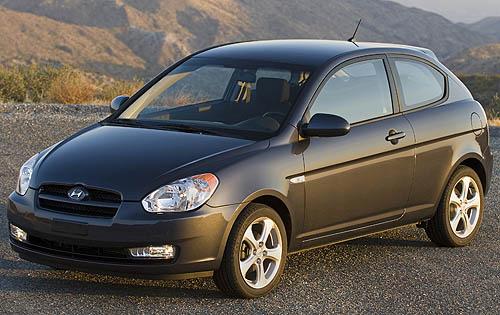
1. 2010 Hyundai Accent Blue Coupe, $10,690.00

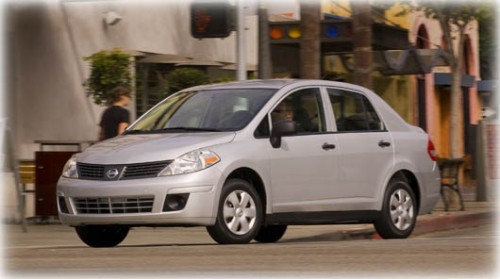
2. 2010 Nissan Versa 1.6 Base Sedan, $10,730.00

3. 2010 Kia Rio Base Sedan, $12,390.00

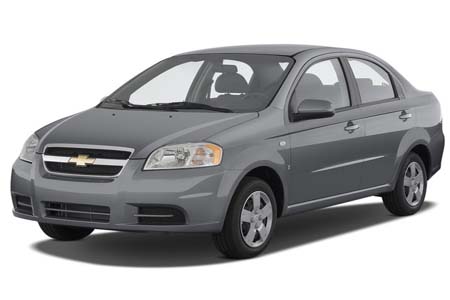
4. 2010 Chevy Aveo LS Sedan, $12,685.00
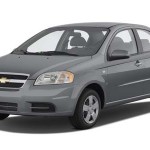
5. 2010 Chevy Aveo5 LS Hatchback, $12,835
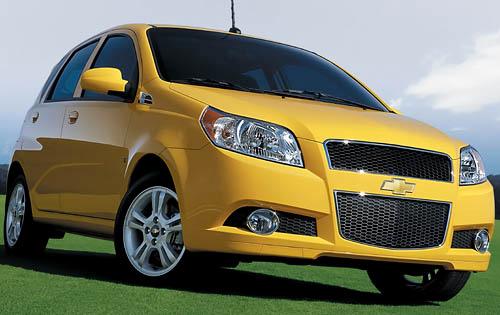
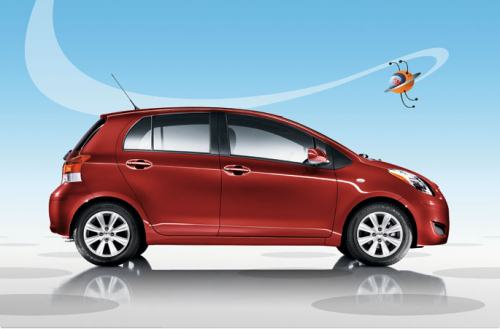
6. 2010 Toyota Yaris 3 Door Hatchback, $13,365.00
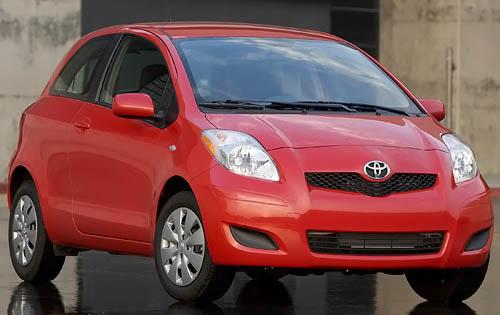
7. 2010 Toyota Yaris 5 Door Hatchback, $13,665.00
8. 2010 Kia Soul Base, $13,995.00

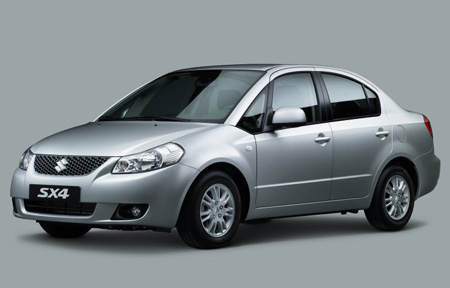
10. 2010 Suzuki SX-4 Base Sedan, $14,094.00

The Suzuki SX-4 is one of the better looking cars on the list that also commands great reviews. But no air conditioning would be a deal breaker for us (considering our
Defensive Driving Course Headquarters are in Los Angeles... where it hit 115F this summer).
Operating a traffic school, gives us an access to many experts and individuals with automotive expertise. A quick research has confirmed that if we were handing out the award for best value on the list, it would go the new Ford Fiesta S (which is the only 2011 model on the list). Ford packed a lot of extra goodies into the Fiesta, including power mirrors, capless gas filler, aux in / USB jacks and A/C, yet has managed to keep the price reasonable for the entry level model. Surprisingly it also offers a sportiest ride on the list. If you enjoy getting your freak on with a twisty road, this is where you should begin shopping.
Word of caution: it isn’t easy to find base models on dealer lots, since they take up as much room as loaded models, have less margin and can be hard to move. If you have to special order one, expect to pay full sticker price instead of haggling over invoice plus $500. On the other hand, sometimes a dealer can be very motivated to sell a year old entry level car, even if it’s in a higher trim level. It may take some time (and travel) to find exactly what you're looking for, but we always thought that the hunt is half the fun.
Fighting Traffic Tickets – Is it a Good Idea?
**Figure Out If It's Worth It**
First, decide if battling a ticket is worth it. If a ticket means thousands of dollars in higher insurance, risk of losing your license, or other serious troubles, it might be worth the effort. But, fighting tickets isn’t always easy or worth it. Here are some simple tips for deciding:
**Understand the Law You’re Accused of Breaking**
Many police officers don’t know the law in detail— that’s for lawyers. Begin by reading the exact law you’ve allegedly broken and break it into parts. Once it's broken down, if you can show your actions didn’t fully fit the law’s exact words, you’re closer to proving your innocence. For example, here’s a stop sign law with its elements separated: “[A person] [operating a human-powered vehicle] [approaching a stop sign shall slow down] and, [if required for safety, stop before entering the intersection].” Notice, stopping is only needed if it’s for safety, and the law permits you to “cautiously make a turn or proceed through the intersection without stopping.” If a cop wrote “rolled through intersection without a complete stop,” you can argue in court that you didn’t break the law. Judges can accept this reasoning since it’s a common lawyer tactic. Remember, you’re innocent until proven guilty.
**Don’t Pay the Ticket Right Away**
When you get a ticket, don’t pay it immediately. In most places, paying means admitting guilt. Instead, find out how to get a court date.
**Think About Traffic School**
Some places let you attend traffic school to get charges dropped or points erased from your record. Research your state laws to explore this option. If online traffic school works for you, ask for it in court. Most places accepting traffic school let you do it online. Traffic school usually takes 4-12 hours, which is better than other penalties.
**Common Defenses for a Traffic Ticket**
Several typical defenses help fight tickets. These often rely on your right to question the accuser.
**The Officer Doesn’t Show Up**
The easiest win happens if the officer doesn’t show. You have the right to question them, so if they’re absent, you usually win automatically. Want to up your odds of a no-show?
- Postponing the court date can significantly increase the odds that the officer will not be present during the trial.
- Never go with the date on your ticket. That's usually a "gang date" for the officer, where the officer has scheduled all of his or her court dates at once. If you schedule for an extension that falls on a different day, chances are they aren't going to come in on their day off just for you.
- Try to choose a court date that is closer to the holidays or summer vacation days - this might increase the odds of your officer being out on vacation.
Camera Tickets and Hearsay People often think that there's little they can do with a camera based ticket, but they're amazingly easy to beat. Here are some tips:
- Courthouses will rarely go through the trouble of bringing the video or picture to court, usually resulting in an automatic dismissal of the ticket.
- Even if they do, there is no human subject to question other than the officer who viewed the tape. The second the officer opens his mouth, you just object "hearsay". Hearsay is the equivalent of "so and so told me", which courts consider unreliable evidence. After all, the officer didn't actually see you do anything, rather the officer is relying on the observations of someone/something else. As a result, the officer can't testify as to what you did wrong and obviously neither can the camera. It takes courage to do this, but it can work.
Trial by Declaration In many states, you are entitled to a trial by mail. You submit your claim as to why you are innocent in a letter, and the officer must do the same. While officers will often show up for court because it is an overtime opportunity, trial by mail is pure paperwork, and they will often not bother to submit their side of the story. When this happens, you win by default. Should you lose by mail, you have lost nothing: you can still request an in-person trial, request traffic school, or pay your fine.
The Sixth Amendment Requires a Speedy and Public Trial The sixth amendment guarantees you a speedy and public trial, and this can be an easy basis to avoid a ticket. For example, in California, a speedy trial is defined as 45 days from the time of the infraction. In many jurisdictions you must go to the courthouse in person to get a court date. Among those legal documents you are asked to sign, will be one in which you waive your right to a speedy trial.
Do not sign this document. You cannot be legally forced to waive this right. What this means is that if the court system cannot fit you in, within those 45 days, (times for your state may vary) then your case must be dismissed.
Tickets Based on Radar Guns Most radar guns need to be recalibrated every 30-60 days, and due to ignorance, lack of funding, or laziness, they rarely are. One solid argument for your case is to prove that the measurement device is faulty. In some states the officer must check the calibration after issuing the ticket - usually by using two tuning forks held in front of the radar, which vibrate at the frequencies for 35 mph and 55 mph. Verify whether this was done and documented.
Check Your Ticket for Errors While courts will often excuse minor errors on a ticket ? a misspelled name or whether your car color is maroon or dark red ? if the officer cites the wrong law on the ticket, or grossly misidentifies the highway or your make of car, you may to get your ticket dismissed.
Defenses That Don't Work The following is a short list of common defenses people often make when fighting traffic tickets that just don't work:
- You claim ignorance of the law. It doesn't matter how honestly you misunderstood what was required, it won't work.
- You argue that no one was hurt. The no-harm-no-foul rule doesn't apply in court. The only exception is whether safety is part of the law itself, and you can argue that obviously you operated your vehicle safely because no one was hurt.
- You complain that the officer selected you alone out of a dozen other potential violators. Admitting that you were in fact guilty, but that there were other guilty people present doesn't help you. You can win a "selective enforcement" defense, but it's very hard to do and requires that you demonstrate the officer had a specific and improper motive to pick on you. For instance if you filed a report against the officer and he just happened to pull you over the next day with a dozen other violators nearby, you may win.
- You give the judge a sad story. It doesn't work, judges hear this all day long and may doubt your honesty. At best this will slightly reduce your fine.
- You claim the officer is lying. Between you and the police officer, the judge is more likely to believe the officer. Unless you have specific proof, it won't work.




 Live Chat