





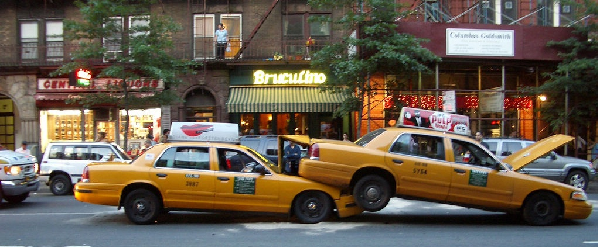
New York Driving: Rules, Reality & Defensive Driving Tips Faster than a New York Minute!
Quick Answers: Do I Need a License & Is Driving in NYC Worth It?
If you’re asking yourself whether you actually need to drive in New York or if you can just hop on the subway, you’re already thinking like a smart traveler. There are many transportation options in NYC—taking the subway, walking, using taxis, or rideshares like Uber are often better options than driving a car, especially given the city’s extensive public transit system and frequent traffic jams. This article comes from IMPROV, a national online defensive driving course provider, and we’re here to break down everything you need to know about new york driving—from license requirements in the city to navigating winding roads upstate. Whether you’re a first-time visitor or a new resident, understanding the rules can save you money, points on your license, and a whole lot of frustration.
Here’s what you need to know right away:
-
You must have a valid license or learner permit to drive anywhere in new york state.
-
Out-of-state and foreign licenses are generally valid for visitors who are not residents.
-
NYC car use is often a burden (traffic, parking, tickets) but can be useful for trips outside Manhattan.
-
Driving in New York City is often considered a burden due to heavy congestion, and driving in Manhattan can be a nightmare—walking is often quicker than driving because of constant traffic.
-
Defensive driving can reduce risk, help you avoid tickets, and may qualify you for insurance discounts in ny.
-
New drivers face additional restrictions under the Graduated License Law, especially in nyc and Long Island.
Many places in Manhattan are better accessed by subway or on foot, as numerous streets are restricted to buses only, making driving routes more complicated. Renting a car in New York City is often unnecessary and impractical due to these challenges.
The sections below dig deeper into residency rules, permit requirements, the difference between driving in the city versus upstate, speed limits, parking regulations, and how IMPROV’s Defensive Driving course fits into keeping you safe and saving you money. There are also ways to stay informed about parking regulations, such as using the NYC311 app to check the daily status of alternate side parking rules.
Basic Legal Requirements for Driving in New York State
All drivers in new york state must comply with the Vehicle and Traffic Law (VTL), whether you’re navigating Manhattan’s one-way streets, cruising through Buffalo, or visiting Albany for the first time. The dmv doesn’t care if you’re a tourist or a lifelong resident—you need to follow the rules.
License and Permit Requirements:
-
You must carry a valid driver license or learner permit issued by new york, another U.S. state or territory, a Canadian province, or a foreign country while operating a motor vehicle on any public road.
-
A learner permit comes with supervision requirements: you must have a licensed driver age 21 or older in the front seat with you at all times.
-
Permit holders also face time-of-day restrictions, particularly in the city and Long Island areas.
If your license was issued outside the U.S. or Canada, you must apply for a new original New York State driver license at a DMV office. If you do not have a license in your home country, you must pass a written test, complete a 5-hour pre-licensing course, and pass a road test to obtain a New York State driver license.
Age and Graduated License Law:
-
New drivers under 18 must comply with york state driving requirements under the Graduated Driver License (GDL) system.
-
This includes supervised driving hours, nighttime curfews, and limits on passengers—for example, no more than one under-21 passenger when driving unsupervised in upstate regions.
-
Restrictions differ slightly between New York City, Long Island, and upstate; visit the official NY DMV website to select your region and view specific rules.
Vehicle Requirements:
-
Your vehicle must be registered with the DMV, inspected annually, and insured with at least New York’s minimum liability coverage.
-
An expired inspection sticker or lapsed insurance can result in tickets, towing, and suspension of your registration or license.
Legal Consequences:
-
Driving without a valid license or in violation of permit rules can lead to fines, required court appearances, and potentially a criminal charge for aggravated unlicensed operation (AUO).
-
Under the 2024-2025 point system changes, an AUO conviction now carries 11 points—enough to trigger suspension in a single violation.
-
It is important to create a plan to ensure compliance with all licensing and registration requirements, especially for new residents and foreign drivers.
Vehicle Requirements and Registration
Driving in New York State means more than just having a license—it also means making sure your vehicle is fully compliant with state regulations. The New York State Department of Motor Vehicles (DMV) is the official authority overseeing vehicle registration, safety, and emissions standards, ensuring that every car on the road meets strict requirements for safety and environmental protection.
Before you drive anywhere in New York, your vehicle must be registered with the DMV. You’re required to keep proof of registration and valid insurance in your car at all times. This applies whether you’re a long-time resident, a new driver, or a visitor planning an extended stay. If you’re new to the state, remember that once you establish residency, you have just 30 days to obtain a New York State driver’s license and register your vehicle—otherwise, you risk fines and possible suspension of your driving privileges.
New drivers, especially those under the age of 18, must also follow the Graduated License Law, which places limits on driving hours and the number of passengers allowed in the vehicle. These rules are designed to help new drivers gain experience safely and are strictly enforced throughout the state.
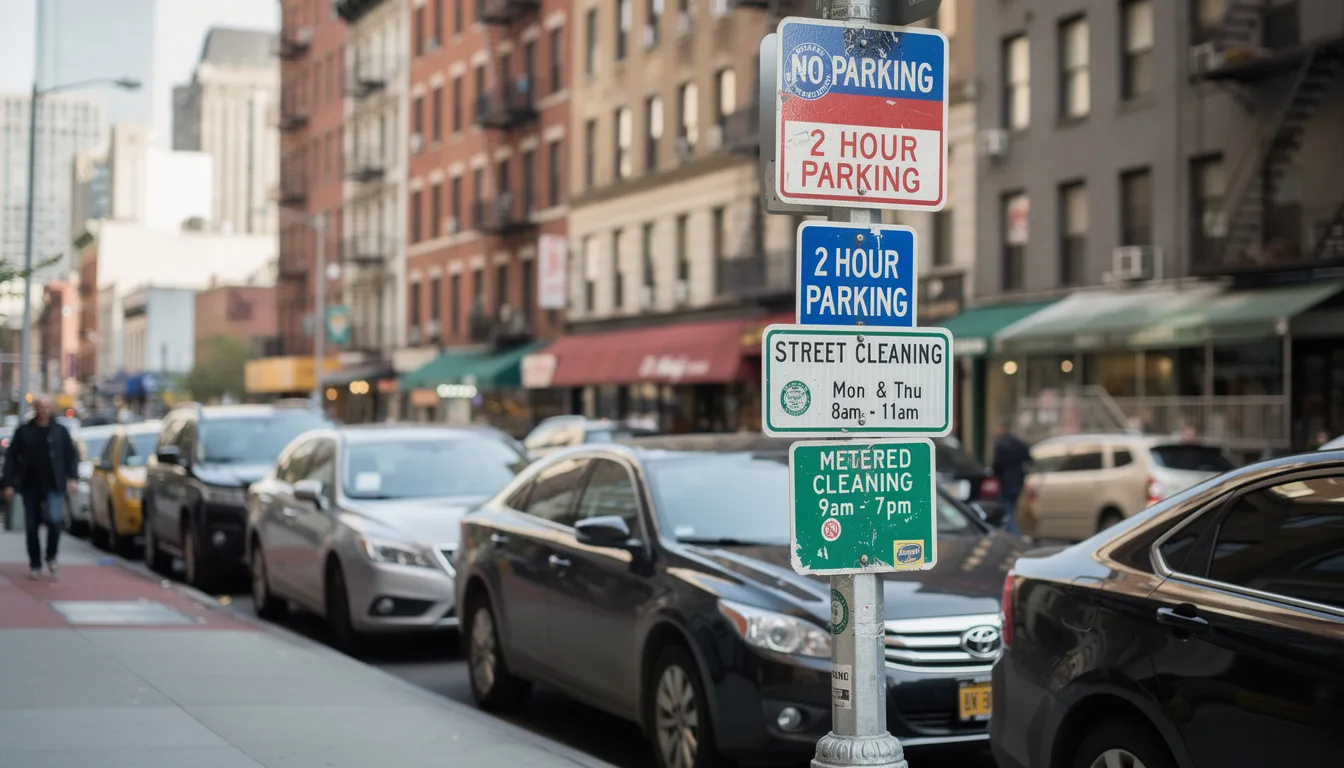
Driving in NYC comes with its own set of challenges. Traffic is dense, intersections are busy, and pedestrians often cross the street even when you have a green light. As a driver, you must always yield to pedestrians and be prepared for sudden stops. Parking in the city is another hurdle—spaces are limited, and regulations are strictly enforced. You’ll encounter signs for “no parking,” “no standing,” and “no stopping” zones, each with specific meanings and penalties for violations. Planning your trip in advance and understanding these rules can help you avoid costly tickets and towing.
The DMV offers a range of official resources to help drivers stay informed. You can access your account online to view your driving record, check your vehicle registration status, and make payments. The DMV website also provides up-to-date information on licensing, registration, and traffic regulations, as well as study materials for new drivers preparing for the written test and road test.
In addition to registration, your vehicle must pass regular safety and emissions inspections to remain on the road. These inspections are required by law and help ensure that all vehicles meet New York State’s standards for safe operation and environmental responsibility. Failing to comply with inspection requirements can result in fines, registration suspension, or even loss of your license.
To enjoy your trip and avoid any issues, make sure your vehicle is registered, insured, and up to date on inspections. Follow all traffic and parking regulations, especially in NYC, where enforcement is strict and the rules are designed to keep everyone—drivers and pedestrians—safe. By understanding the requirements and planning ahead, you can navigate New York State’s roads with confidence and make the most of your driving experience.
New York Residents, Visitors & Who Actually Needs a NY License
Whether you need a new york license depends on one key question: are you a resident? This isn’t about how long you visit—it’s about where you actually live and intend to stay.
The 30-Day Rule for New Residents:
-
If you move to york and establish residency, you generally have 30 days to obtain a NYS driver license.
-
Licenses from other U.S. states or Canadian provinces can often be exchanged rather than requiring you to start from scratch, subject to DMV rules.
-
After 30 days, driving with your out-of-state license as a resident could result in a ticket.
Residents vs. Visitors:
-
Short-term visitors—tourists, business travelers, people visiting family for a few weeks—can usually drive with a valid out-of-state or foreign license without obtaining a NY license.
-
Once you become a resident, your obligations change for both driver licensing and vehicle registration.
The following subsections break down what “resident” means, how foreign licenses work, what students should know, and whether your out-of-state learner permit is valid here.
Definition of “Resident” for New York Driving Purposes
The DMV doesn’t make final residency decisions—courts and other agencies consider a range of factors when someone’s status is questioned. However, certain patterns strongly suggest you’ve become a New York resident.
What Suggests Residency:
-
You live in new york state and intend to make it your permanent or primary home.
-
Living in New York for 90 or more consecutive days can be presumptive evidence of residency, though it’s not the only factor.
Key Factors Used to Determine Intent:
-
Filing New York State income taxes
-
Enrolling children in New York schools
-
Signing a long-term lease or buying property in the state
-
Where you primarily work
-
Where you keep your vehicle most of the time
Enforcement Reality:
-
A police officer can issue a ticket if they believe you’re a resident driving without proper NY license or registration.
-
A judge may review your circumstances—where you pay rent, where you work, where your car sits at night—to decide if residency rules apply.
If you’re unsure whether you count as a resident, err on the side of getting a New York license and registration. It’s cheaper than fighting tickets in court.
Out-of-State and Foreign Driver Licenses in New York
Valid licenses from other U.S. states and many foreign countries are typically honored for visitors in New York. The key distinction is whether you’re visiting or living here.
Out-of-State Licenses:
-
You may drive in new york state with a valid license from any U.S. state, Washington D.C., or U.S. territory as long as you’re not a New York resident.
-
Once you become a NY resident, you’re expected to switch to a NY license within the standard 30-day window.
Foreign Licenses:
-
Most foreign driver licenses are accepted for visiting drivers, provided they’re valid and either in English or accompanied by an official translation.
-
An International Driving Permit (IDP) is not required by New York law but can help a police officer or rental car agency understand your foreign license.
Practical Steps for an IDP:
-
Obtain an IDP from your home country’s automobile association before traveling to the U.S.
-
This is especially important if your license uses a non-Roman alphabet or a language other than English.
Becoming a Resident with a Foreign License:
-
Foreign residents who decide to settle in New York will need to apply for an original NY license, following the full permit, pre-licensing course, and road test process.
Visitors From Other Countries: Getting Licensed if You Stay
If you’re visiting from another country for tourism, study, or temporary work, you have options—but those options change if you decide to stay.
Driving as a Short-Term Visitor:
-
Visitors who hold a valid license from their home country generally don’t need a New York license as long as they don’t become residents.
-
Rental car companies may apply their own rules—many require drivers to be 21 or 25 years old regardless of state law.
If You Don’t Have a Valid Home License or Become a Resident:
-
You’ll need to obtain a New York learner permit by passing a written knowledge test at a DMV office.
-
You must complete a state-approved 5-hour pre-licensing course (or equivalent driver education program).
-
IMPROV and other providers offer information about these requirements to help you plan your path to licensure.
The Road Test:
-
After meeting practice requirements and holding your permit for the required period, you must pass a road test with a DMV examiner.
-
Depending on DMV policy, you may be required to surrender your foreign license when you receive your NY license.
Check the official NY DMV “Get Your Permit and License” page to access current fees, required documents, and scheduling information.
Students in New York: Resident or Not?
College and graduate students from other states or countries often wonder if attending school in New York makes them residents. In most cases, it doesn’t—but there are exceptions.
Typical Student Status:
-
Students from outside New York who attend school in the state are usually not considered residents solely because they go to school here.
-
This means most students can continue to drive with their out-of-state or foreign license while enrolled, as long as that license remains valid.
Exceptions and Gray Areas:
-
If you take a full-time job, pay New York income tax, or otherwise intend to remain in New York long-term, your residency status could change.
-
Students in these situations should consider getting a NY license and registration to avoid disputes with police officers or courts.
Vehicle Registration:
-
Whether students must register their car in New York depends on how residency is viewed in their specific case.
-
Some students can legally keep out-of-state plates; others cannot—the 90-day presumption applies here too.
Check both NY DMV rules and your school’s transportation policies regarding campus parking permits and local parking regulations.
Out-of-State Learner Permits in New York
New York treats out-of-state learner permits differently than full driver licenses. Don’t assume your permit from another state automatically works here.
Driving with a Non-NY Learner Permit:
-
You may be allowed to drive in New York with a learner permit from another U.S. state or territory only if that state’s rules permit it and you comply with New York’s supervision requirements.
-
When rules conflict, you must follow the more restrictive rule set—this applies to supervising driver age, time-of-day limits, and passenger restrictions.
Out-of-State Permits Cannot Be Exchanged:
-
New York does not convert an out-of-state learner permit into a New York learner permit.
-
If you move to New York or want a NY permit, you must apply for a new one and take the written test.
Application Basics:
-
Visit a NY DMV office with your ID documents, pay the permit fee, and pass the knowledge exam.
-
Schedule your 5-hour pre-licensing course soon after getting the permit to continue efficiently toward a full license.
Common pitfall: Assuming your non-NY permit automatically works everywhere in New York, or driving unsupervised with a permit in NYC. Both can result in tickets or worse.
Driving in New York City vs. Upstate: What to Expect
The difference between driving in nyc and driving upstate is like comparing a crowded subway car to a peaceful nature trail. Both require defensive driving skills, but the challenges are completely different.
Typical NYC Conditions:
-
Heavy traffic on routes like the FDR Drive, Brooklyn-Queens Expressway (BQE), and the Cross Bronx Expressway
-
Constant lane changes, double-parked vehicles, delivery trucks, cyclists, and pedestrians
-
Under Sammy’s Law implementations, speed limits are dropping to 20 mph (or even 10 mph in redesign zones) across 250 locations by end-2025, prioritizing school zones where children are present
-
Congestion pricing launched January 5, 2025, with a $15 charge for passenger vehicles during peak hours for entering Manhattan’s Central Business District (below 60th Street)
-
Traffic generally peaks in NYC between 8:00 AM – 9:00 AM and 3:00 PM – 7:00 PM
-
Using navigation apps like Google Maps or Waze provides real-time traffic updates for NYC driving
Why Many Visitors Skip Driving in NYC:
-
Parking is difficult and expensive—daily garage rates in Midtown Manhattan often exceed $40–$60
-
Aggressive driving culture and narrow one-way streets intimidate inexperienced or out-of-town drivers
-
Transit options (subway, bus, walking) are often faster and far cheaper
-
Many visitors choose the option of public transit, rideshares like Uber or taxi, or simply walking instead of driving, especially when visiting places like Manhattan where congestion pricing and heavy traffic make driving impractical
Upstate and Suburban Driving:
-
Lighter traffic and easier parking in cities like Albany, Rochester, and Syracuse
-
The NY Thruway (I-90) offers relatively smooth travel between major upstate destinations
-
Rural areas and mountain regions (Catskills, Adirondacks) require attention to curves, wildlife crossings, changing weather, and limited lighting at night
When Driving Makes Sense:
The place you are visiting in NYC can determine whether driving is a good option. For example, driving is rarely practical in Manhattan, but may be more reasonable in outer boroughs or for trips outside the city.
|
Situation |
Recommendation |
|---|---|
|
Staying mostly in Manhattan |
Skip the car—use subway, bus, or walk |
|
Day trip to Hudson Valley or Long Island beaches |
Rent a car for the day |
|
Visiting Niagara Falls from NYC |
Driving or flying is practical; train takes 8+ hours |
|
Trip to the Catskills or Adirondacks |
Car is essential—limited public transit options |
Key New York Road Rules: Speed, Passing, Turning & Parking
This section covers major New York road rules that out-of-state and new drivers often misunderstand. There are many ways to handle speed, passing, turning, and parking in New York, and understanding the specific rules and strategies can help you avoid tickets and, more importantly, crashes.
Speed Limits:
-
The general maximum on New York State highways is 55 mph unless a higher or lower limit is posted. The speed limit throughout New York is generally 55 miles per hour unless otherwise signposted.
-
Some rural interstates allow 65 mph; certain NYC and Long Island segments drop to 40 mph or lower.
-
City streets in New York City default to 25 mph unless otherwise posted—and with Sammy’s Law, some school zones now use 20 mph or 10 mph limits.
-
New York uses a “reasonable and prudent” standard: you must reduce speed for rain, snow, ice, fog, or heavy traffic even if you’re under the posted limit.
Passing and Lane Use:
-
Slower traffic should keep right on multi-lane roads—use the left lane primarily for passing. In New York, slower-moving drivers on multi-lane roads are required to move to the right lane to allow vehicles to pass safely on the left.
-
Passing on the right is restricted and dangerous except where specifically allowed (e.g., on roads with multiple marked lanes moving in the same direction).
Turning and Signaling:
-
Signal for at least 100 feet before turns or lane changes.
-
In nyc, “No Turn on Red” is common—always read the signs at each intersection.
-
U-turns are illegal in NYC business districts and where ‘NO U-TURN’ signs are present.
-
Hand signals serve as a backup if your vehicle’s signals fail.
Parking, Standing, and Stopping:
|
Sign |
What It Means |
|---|---|
|
No Stopping |
You cannot stop for any reason (except emergencies or traffic control) |
|
No Standing |
You can stop only to drop off or pick up passengers—no waiting. ‘Standing’ allows a vehicle to stop briefly to load or unload passengers, but you cannot wait or leave the vehicle. This is different from ‘parking,’ which allows you to stop to load or unload people or goods, but you cannot leave the car, and ‘stopping,’ which means you cannot stop for any reason except emergencies or traffic control. |
|
No Parking |
You can stop briefly to load/unload people or goods, but you cannot leave the car |
-
NYC has complex alternate-side street parking regulations, meters, and commercial zones.
-
Violations result in costly tickets or towing—parking tickets in Manhattan can easily run $65–$115 each.
-
It is illegal to park within 15 feet of a fire hydrant in NYC.
-
Double parking is illegal for passenger vehicles at all times in NYC.
-
Parking or standing in designated bus lanes is prohibited during operating hours, except in certain circumstances.
-
You cannot park or allow your vehicle to stand in front of driveways in New York.
-
Drivers must yield to pedestrians in marked and unmarked crosswalks in NYC.
-
Drivers must slow down and move over for emergency or hazard vehicles according to the Move Over Law.
-
Hands-free use of mobile devices while driving is legal in NYC, but holding a phone is illegal.
-
Drivers should avoid entering intersections unless they can clear them to prevent gridlock, and it is illegal to block an intersection if traffic is backed up on the other side in NYC.
Completing an IMPROV New York Defensive Driving course can help you understand and remember these rules, and may reduce points on your driving record.
Defensive Driving in New York with IMPROV
New york state approves online defensive driving courses—officially called Point & Insurance Reduction Programs (PIRP)—and IMPROV is a national provider offering a NY-specific course designed to help you drive safer and save money.
Key Benefits in New York:
-
Point reduction: Up to 4 points removed from the total on your NY driving record for eligible past violations (this doesn’t erase convictions but reduces the point total used for suspension calculations).
-
Insurance savings: A mandatory 10% minimum reduction in the base rate of your auto liability and collision insurance premiums for three years, as provided by New York law and accepted by your insurer.
Who Typically Takes the Course:
-
Drivers who recently received speeding, red-light, or cell phone tickets
-
NYC drivers facing high insurance premiums
-
Commercial and rideshare drivers who log many hours on congested New York roads
-
Anyone looking to enjoy safer driving habits and avoid future violations
How the Course Addresses New York Driving Challenges:
-
Anticipating aggressive lane changes on the FDR or BQE
-
Dealing with narrow Brooklyn streets crowded with delivery vehicles and pedestrians
-
Adjusting speed for sudden weather changes on upstate highways
-
Understanding right-of-way rules at complex intersections
-
Hazard recognition strategies to avoid the most common crash types in both city and rural settings
Format and Convenience:
-
IMPROV’s course is 100% online and self-paced.
-
Complete it from anywhere—whether you live in Queens, Yonkers, Ithaca, or are traveling out of state.
-
The course is DMV-approved, meaning your completion certificate is automatically reported.
Whether you’re ready to hit the road for the first time or you’ve been driving in New York for years, understanding the rules means fewer tickets, lower insurance costs, and safer trips. The 2024-2025 changes to New York’s point system make it easier than ever to face suspension—just 10 points in 24 months can trigger license action.
Don’t wait until points pile up. Visit IMPROV’s website to check your eligibility, sign up for the NY-approved defensive driving course, and take control of your driving record today. A few hours online could save you hundreds on insurance and keep you on the road where you belong.

