





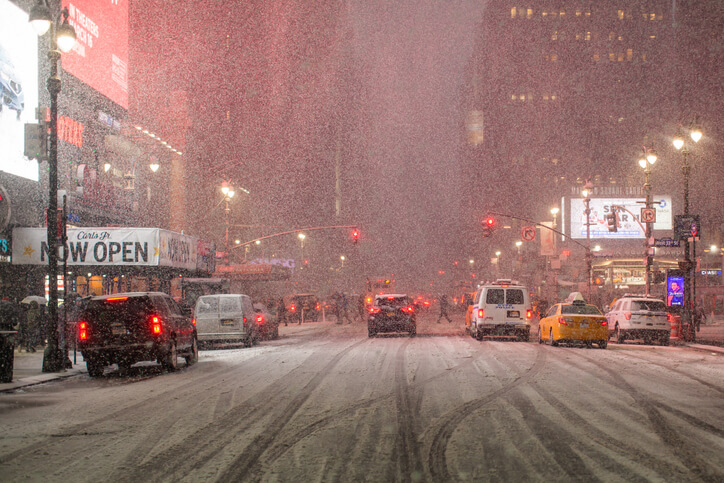
How to Stay Safe on New York Roads Winter Driving Tips
Winter in New York is a beautiful but challenging time for drivers. Between icy roads, sudden snowstorms, and reduced visibility, navigating safely requires extra care and preparation. Whether you’re a daily commuter or a visitor exploring the state, these detailed tips will help you stay safe on New York roads this winter.
Introduction to Safe Driving
Winter driving in New York brings its own set of challenges, making it crucial to take every precaution to stay safe on the road. The first and most important step is to always wear your seat belt and make sure every passenger is buckled up—this simple habit can dramatically reduce the risk of serious injury in the event of a crash. Before you head out, take a moment to familiarize yourself with your vehicle’s safety features, such as antilock brakes and cruise control, which can help you maintain control in slippery conditions.
Keeping your gas tank at least half full is another essential winter driving tip. Not only does this help you avoid running out of fuel if you get stuck in traffic or stranded in bad weather, but it also prevents your fuel line from freezing in cold weather. Regularly check your vehicle’s exhaust pipe for any snow or ice blockages, as a blocked exhaust can lead to dangerous carbon monoxide buildup inside your car.
Visibility is key during winter months, so make sure your windshield wipers are in good condition and that your windshield wiper fluid reservoir is full with winter-grade wiper fluid. This will help keep your windshield clear of snow, ice, and road salt. It’s also wise to keep a winter driving kit in your vehicle, including an ice scraper, snow brush, and a small bag of kitty litter for traction if you get stuck. By taking these steps, you’ll be better prepared to handle whatever winter throws your way and keep your vehicle—and everyone in it—safe.
1. Prepare Your Vehicle for Winter Driving
Your car is your best ally in winter, but only when equipped to handle the harsh conditions. A little preparation can go a long way. To prepare your vehicle for winter, focus on Tires, Fluids, Battery, Brakes, and Visibility.
-
Inspect your tires: Tires with adequate tread are critical. If possible, switch to winter tires, as they’re designed to provide better traction on snow and ice. Check tire pressure frequently—cold temperatures can cause it to drop. This can affect your tire’s performance, and performance on the road equals safety. Also, check tire tread depth; it should be at least 4/32 of an inch for adequate traction.
-
Top off all fluids: Winter-grade windshield washer fluid is essential to prevent freezing. Also, ensure your coolant is at the correct level and mixed to handle freezing temperatures.
-
Check your battery health: Cold weather can reduce battery efficiency. Cold weather also reduces battery power and capacity; in fact, colder temperatures can reduce battery capacity by up to 35% at 32°F, making pre-winter checks essential. A weak battery is more likely to fail in freezing temperatures, so consider having it tested at a service center. Check for corrosion or cracks and test the battery’s strength, as cold weather stresses batteries.
-
Pack an emergency kit: A winter driving kit should include a flashlight, extra batteries, a first aid kit, a blanket, snacks, water, a phone charger, jumper cables, a snow scraper, and a small shovel. For added safety, include a bag of sand or cat litter to help with traction if you get stuck. AAA strongly recommends keeping a well-stocked emergency kit in your vehicle during winter. Essential supplies include blankets, food, water, and a fully charged cell phone.
-
Floor mats: Proper floor mats are important for safety and maintenance in winter. Make sure they fit well and are made of quality materials to prevent slipping and handle snow, ice, and moisture effectively.
Drivers should winterize their cars with fresh antifreeze and a good battery to ensure reliable performance in cold weather.
Finally, always consult your owner’s manual for recommended tire pressures, fluid types, and other winter maintenance tips.
Essential Safety Items
When it comes to winter driving, being prepared for the unexpected can make all the difference. Start by assembling an emergency kit that includes a first aid kit, a reliable flashlight, and extra batteries to ensure you’re never left in the dark. Pack a small bag with non-perishable food, bottled water, and warm clothing or blankets—these essentials can help you stay warm and comfortable if you find yourself stuck in your vehicle for an extended period.
It’s also a good idea to keep a brightly colored cloth or flag in your car, which can be used to signal for help and make your vehicle more visible to rescuers. Make sure your cell phone is fully charged before every trip, and consider carrying a portable charger so you can call for roadside assistance if needed. Jumper cables and a basic toolkit are invaluable for handling minor repairs or a dead battery, especially in cold weather.
For added peace of mind, consider enrolling in a roadside assistance program, which can provide help with towing, flat tires, or lockouts during wintry conditions. And don’t forget to keep your vehicle’s owner’s manual in the glove compartment—it contains important information on how to handle winter driving situations and can be a lifesaver in an emergency. With these essential safety items on hand, you’ll be ready to face the challenges of winter driving with confidence.
2. Check the Weather Before You Go
New York winters can be unpredictable, with snow, sleet, and freezing rain all possible in a single day. Staying informed about the weather can make all the difference.
-
Monitor real-time updates: Resources, like 511NY, are available to check road conditions, closures, and weather updates before you hit the road.
-
Plan ahead: If a winter storm is forecast, consider rescheduling your plans if possible.
Pro tip: Always have a Plan B. Unexpected road closures or poor conditions may require alternate routes or even an overnight stay.
Planning Your Route
Before you set out on any winter journey, careful planning is key to staying safe and avoiding unnecessary risks. Start by checking the latest winter driving conditions for your route, especially if you’ll be traveling on a major highway or through areas known for heavy snow. Pay attention to updates about snow removal operations, including the presence of salt brine trucks, several plow trucks, or even a strike team working to clear the roads. These vehicles need plenty of space to operate, so plan your timing and route to avoid getting caught behind or between them.
Allow extra travel time during the winter months, as icy roads and wintry conditions can slow traffic and increase the risk of delays. Always let someone know your planned route and estimated arrival time, so they can alert authorities if you don’t arrive as expected. Use navigation apps or local resources for real-time updates on road closures, accidents, or changing weather conditions, and have alternate routes in mind in case your original path becomes impassable.
Above all, avoid taking unnecessary risks—if the forecast calls for a severe storm or conditions worsen, it’s often safer to delay your trip until conditions improve. By preparing ahead and staying informed, you’ll be better equipped to handle whatever winter weather comes your way and ensure a safer journey for yourself and your passengers.
3. Slow and Steady Driving
Driving cautiously is one of the simplest yet most effective ways to stay safe. Winter roads demand patience and precision.
-
Reduce your speed: Icy or snowy roads significantly increase stopping distances. Driving slower gives you more time to react. Remember, posted speed limits are for dry conditions; reduce your speed significantly on snowy or icy roads.
-
Increase following distance: Aim for at least 8 to 10 seconds of following distance on slick surfaces to allow ample time for safe braking.
-
Smooth movements: Sudden braking, accelerating, or sharp steering can cause your vehicle to lose traction. Always handle the controls gently in slippery conditions. When braking, especially if your vehicle is equipped with antilock brakes, apply firm, continuous pressure to the brake pedal. This allows the ABS to help maintain control of the wheels and improve your ability to stop safely.
4. Recognize and Avoid Black Ice
Black ice is a thin layer of ice that blends with the road, making it nearly invisible. Icy conditions are a major risk during winter storms, especially due to black ice formation. It’s most common on shaded roads, bridges, and overpasses.
-
Signs of black ice: If the road looks wet but you don’t hear water splashing from your tires, it may be icy.
-
How to handle black ice: If you hit a patch, don’t panic. Ease off the accelerator and keep your steering steady. Avoid braking unless absolutely necessary.
Remember: Roads are often slipperier during the early morning or evening when temperatures are lowest.
5. Share the Road with Snowplows
Snowplows work hard to keep roads safe, but they can present unique challenges for drivers.
-
Maintain distance: Stay at least 200 feet behind snowplows to avoid debris and give them room to maneuver. Remember, a snowplow operator’s field of vision is limited, so always exercise extra caution when driving near plows.
-
Do not pass: The road ahead of the plow is often in worse condition than the road behind it. Passing a snowplow could leave you vulnerable to poor road conditions or limited visibility.
-
Be cautious around salt spreaders: Flying salt or sand can damage your vehicle and obscure visibility.
For example, IDOT has more than 1,900 trucks available to plow nearly 45,000 lane miles of road in Illinois during winter, showing the scale of snow removal efforts.
6. Light Up the Way
Winter driving in NY often comes with reduced visibility due to snow, fog, or shorter daylight hours. Proper lighting is crucial for your safety.
-
Use low beams in bad weather: High beams can reflect off snow and impair your vision. Stick to low beams or fog lights.
-
Keep your lights clean: Snow, ice, and dirt can build up on headlights and taillights, reducing their effectiveness. Wipe them clean regularly.
7. Handle Skids Like a Pro
A skid can be terrifying, but knowing how to respond can keep you safe.
-
Front-wheel skid (understeer): If your car doesn’t turn as expected, take your foot off the gas and gently steer in the direction you want to go.
-
Rear-wheel skid (oversteer): If the back of your car slides, steer in the same direction as the skid. For example, if the rear of your car slides to the right, turn your wheel to the right.
-
Avoid overcorrecting: Quick, jerky movements can make the skid worse. Stay calm and make smooth adjustments.
8. Drive Defensively
In winter, being cautious isn’t enough—you also need to be alert for other drivers’ mistakes and that requires most vehicle owning New Yorkers to have defensive driving skills.
-
Stay alert for pedestrians and cyclists: Snowbanks and icy sidewalks may push them closer to the road.
-
Anticipate mistakes: Other drivers may brake suddenly or lose control. Be prepared to react safely.
-
Keep both hands on the wheel: Winter roads require your full attention, so minimize distractions like phone use or eating.
9. Avoid Using Cruise Control
While cruise control is great for long drives, it’s dangerous on slippery roads.
-
Maintain manual control: You need to be ready to adjust your speed immediately if you encounter ice, snow, or sudden traffic changes. Cruise control can delay your reaction time and increase the risk of losing traction.
10. Smart Parking Practices
Parking during winter comes with its own set of challenges, especially in urban areas like New York City.
-
Choose spots carefully: Avoid parking near snowbanks or in areas prone to plowing. Snow can block your car or damage it if pushed by a plow.
-
Lift your wipers: To prevent them from freezing to the windshield, lift your wipers when parking during a storm.
-
Keep an ice scraper handy: You’ll likely need it after parking outdoors during snowfall or freezing rain.
Safety First, Always
Driving in New York winters may seem daunting, but with the right preparation and mindset, it’s entirely manageable. Take your time, stay alert, and don’t be afraid to delay your plans if conditions seem unsafe. After all, arriving late is better than not arriving at all.
By following these tips, you’ll be better equipped to handle whatever winter throws your way. Safe travels, and don’t forget to enjoy the beauty of the season!

