


 Live Chat


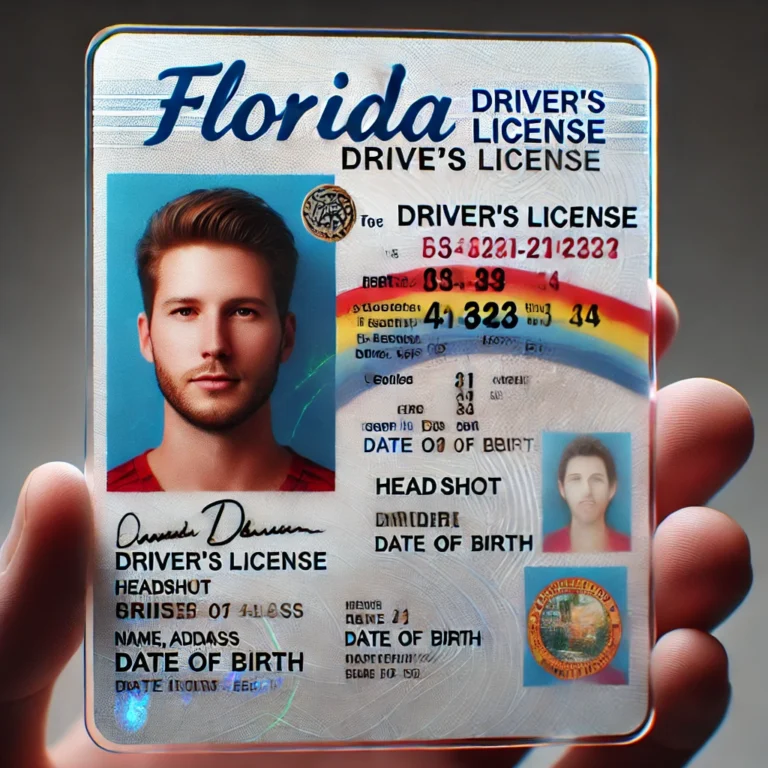
Earning a Florida Driver’s License will give you full privileges to drive a car, by yourself, on the road. With a driver’s license you have absolute freedom behind the wheel. To get your driver’s license, you’ll have to meet the right requirements and qualifications, and provide specific documentations. Applicants must meet address requirements and provide the following documents to prove residency and identity. The office is where customers can schedule an appointment for services such as issuance, renewal, or replacement of florida driver licenses. Driver license service centers offer various types of licenses, including learner and intermediate licenses, and provide services for renewing, replacing, and checking the status of your license.
You’ll have to go through a few steps before you’re driving by yourself. This process starts with earning your learner and intermediate license. Each county may have specific requirements or designated offices for the issuance of driver licenses. Customers are encouraged to schedule an appointment at their local office to ensure timely service.
Introduction to Driver’s Education
Driver’s education is the essential first step for anyone seeking a Florida driver license. The Florida Department of Highway Safety and Motor Vehicles (FLHSMV) has established a comprehensive process to ensure that new drivers are fully prepared to operate a motor vehicle safely and responsibly. This process is designed not only to teach the rules of the road, but also to help new drivers understand the importance of highway safety and motor vehicle laws.
Before you can begin your journey toward a Florida driver license, you must meet specific eligibility requirements. The FLHSMV requires all applicants to provide proof of identity, a valid social security number, and documentation of their residential address. Acceptable proofs of address include two documents, such as a recent utility bill, a bank statement, or a certification of address form signed by a parent, step parent, or legal guardian. It’s important to note that only original birth certificates or certified copies are accepted—hospital birth certificates are not valid for this purpose.
In addition to these documents, new drivers must complete a driver’s education course, such as the Class E driver license course. This course covers essential topics like road safety, Florida traffic laws, and basic vehicle maintenance, giving new drivers the knowledge and skills they need to pass both the written and driving tests. The FLHSMV also requires a vision test and proof of insurance before issuing a driver license or ID card.
Applicants are also asked to provide detailed information about their driving experience, including any previous driver licenses or ID cards held in Florida or other states. This helps the department of highway safety and motor vehicles verify your eligibility and ensure that all requirements are met.
Florida has also adopted Real ID compliant driver licenses and ID cards, which are easily recognized by the gold star in the top right corner. These credentials meet federal standards and are accepted nationwide for domestic air travel and access to most federal facilities. To obtain a Real ID compliant license, you’ll need to provide additional documentation, such as a valid passport or original birth certificate, and proof of your social security number.
By following these steps and providing the necessary documentation, new drivers can obtain a Florida driver license and enjoy the independence and responsibility that comes with being a licensed driver. The process is designed to ensure that every driver on Florida’s roads has the skills, knowledge, and legal standing to drive safely and confidently.
Steps to Obtain a Florida Driver's License
Step 1: Enroll in a Florida Driver's Ed Class and Traffic Law and Substance Abuse Education Class
The first step in getting your driver's license is to complete a driver's education class. These classes are designed to teach soon-to-be drivers road etiquette, laws to follow, and road sign meanings. Along with completing a driver's education course, you'll need to pass a Traffic Law and Substance Abuse Education class. This is a requirement Florida institutes for all first-time drivers who have not been licensed in another state.
Step 2: Earn a Florida Learner's Permit
You must be at least 15 years old and a resident in the state of Florida to be qualified for a learner’s permit. This is the first required step in getting your driver’s license. The learner’s permit also has some restrictions attached to it. Since you’re still learning how to drive, you must follow these rules:
- You can only drive during the hours between sunrise and 10:00 PM at night.
- You must have a licensed driver sit in the passenger seat.
- The licensed driver must be at least 21 years old.
To get your learner’s permit, you will have to present specific documentation. When you visit your local DMV branch, you’ll need to present:
- Proof showing you passed a Traffic Law and Substance Abuse Education class.
- A parental consent form. If signed by parents or guardians, some forms may need to be notarized.
- Your original social security card to prove your Social Security number.
- Identification card.
- Two proofs of residency in the state of Florida, such as a dated utility bill or a mortgage statement.
Aside from presenting documentation, you will have to pass a few exams. These are:
- Learner permit exam.
- Written test: this contains 40 multiple choice questions regarding road rules and road signs.
- Vision test.
- Hearing test.
When you hold onto your learner’s permit for one year, and do not make any traffic violations, you’ll be eligible for an intermediate license.
Step 3: Earn a Florida Intermediate License
The next step in getting your driver’s license is earning your intermediate license. To earn this restrictive license, you must be at least 16 years old and have had your permit for at least 1 year with a clean FL driving record. Age requirements are crucial here, as different regulations apply to various age groups. You will also be required to show documentation, such as:
- Parent or guardian must provide proof that you drove at least 50 hours.
- 10 hours must have been driven at night.
- Proof of learner permit for one year.
- No traffic violations on your driving record.
- Certified documents verifying your identity as a person, such as a birth certificate or passport.
You will then be required to pass a certified driving test. You will be graded on defensive driving, following road etiquette, and understanding road signs. After earning your intermediate license, you will need to follow a few restrictions. If you’re 16 years old, you can drive between the hours of 6:00 AM and 11:00 PM. You can drive at any time of day or night if a licensed driver is with you who is at least 21 years old.
If you’re 17 years old or older, with your intermediate license, you can do everything a 16-year-old can do, plus you can drive until 1:00 AM without a 21-year-old licensed driver.
Step 4: Earn Your Florida Driver's License
Now that you’ve spent the appropriate amount of time with your learner’s permit and your intermediate license, you’re finally ready for your Florida Driver’s License. To get your driver’s license, you’ll need to visit a nearby DMV branch and provide the right documentation.
The primary form of identification that you use must be either an original birth certificate or certified copy or a social security card. Once at the DMV you will be requested to pay the fee and get your photo taken.
Your new license will have an expiration date printed on it. It is important to renew or replace your license before the expiration date to maintain valid driving privileges. You can renew or replace your license online or in person, and you will need to provide the required documentation for these processes.
Florida Department of Motor Vehicles Resources and Next Steps
Once you’ve obtained your Florida driver’s license, it’s crucial to stay informed about the resources and services offered by the Florida Department of Motor Vehicles (DMV). The DMV provides a range of services, including license renewal, replacement, and suspension information.
You can also access your driving record, register your vehicle, and find information on traffic safety and motor vehicle laws. Highway safety and motor vehicles regulations play a vital role in ensuring the protection of all drivers on the road. Staying updated with these resources ensures that you remain compliant with all regulations and can address any issues that may arise with your license or vehicle.
If you have any questions or encounter issues related to your driver's license or vehicle registration, contact the DMV for assistance.
In this section, we’ll outline the next steps to take after obtaining your license, including how to access DMV driving license resources, understand license restrictions, and stay safe on the road.
Additional Resources
- Florida Car Registration
- How to Perform a Florida Drivers License Check
- Florida Drivers License
- Florida ID Cards
- 10 Fun Interesting Facts About Florida
Note: The written test for a Florida driver's license is sometimes referred to as the written test, but it is a multiple-choice exam and does not require any writing or essay responses.


